Kiyomizu-dera Kyoto: Admission, Hours, Access & Sannenzaka
Tokyo Mate
Kiyomizu-dera in Kyoto opens at 6:00 a.m., and admission is 500 yen for adults and 200 yen for elementary and junior high school students. I walked up Kiyomizuzaka, looked around the grounds, and came back down via Sannenzaka and Ninenzaka.
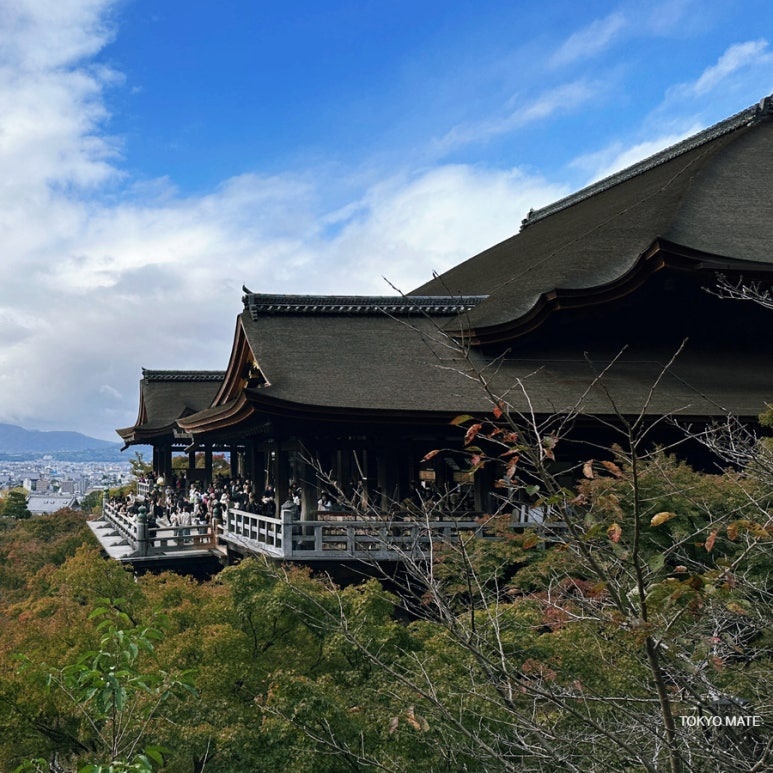
Kiyomizu-dera Admission and Hours
Kiyomizu-dera opens at 6:00 a.m. It usually closes at 6:00 p.m., but closing time changes in July and August and during the spring, summer and autumn night openings.
The front part of the grounds, with the Niomon gate and the three-story pagoda, is free to walk around. The paid area costs 500 yen for adults and 200 yen for elementary and junior high school students.
| Item | Details | |
|---|---|---|
| Name | Kiyomizu-dera (清水寺) | |
| Hours | 6:00-18:00 | |
| Closed | Open every day | |
| Admission | Part of the grounds is free Paid area: adults 500 yen / elementary and junior high school students 200 yen | |
| Reservations | Not needed | |
| Address | 1-294 Kiyomizu, Higashiyama-ku, Kyoto 📍 View on Google Maps | |
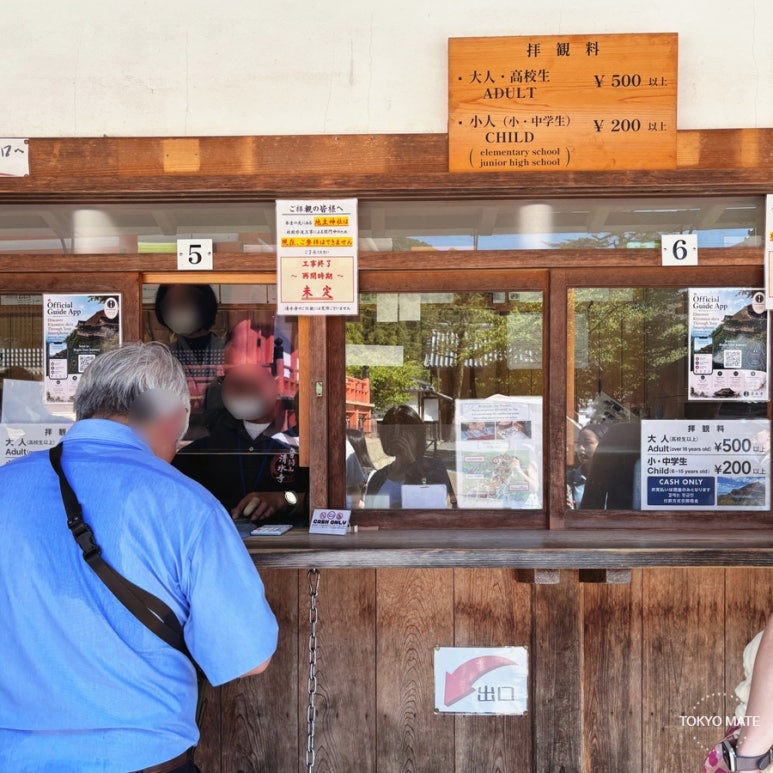
Kiyomizu-dera opens at 6:00 a.m., but closing time depends on the season and the night openings. The 2026 hours are below.
| Period | Hours |
|---|---|
| January 1 - March 26 | 6:00-18:00 |
| March 27 - April 5 (spring night opening) | 6:00-21:30 (last entry 21:00) |
| April 6 - June 30 | 6:00-18:00 |
| July 1 - August 13 | 6:00-18:30 |
| August 14-16 | 6:00-21:30 (last entry 21:00) |
| August 17-31 | 6:00-18:30 |
| September 1 - November 20 | 6:00-18:00 |
| November 21-30 (autumn night opening) | 6:00-21:30 (last entry 21:00) |
| December 1-31 | 6:00-18:00 |
How to Get to Kiyomizu-dera: Walking Up Kiyomizuzaka
Get off at the Kiyomizu-michi (清水道) or Gojo-zaka (五条坂) bus stop and walk uphill for about 10 minutes. From Keihan Kiyomizu-Gojo Station, it's about a 25-minute walk.
Several bus routes stop at Kiyomizu-michi and Gojo-zaka. Which route you can take depends on where you're coming from.
✅ By train
| Station | Line | To Kiyomizu-dera |
|---|---|---|
| Keihan Gion-Shijo Station 📍 Location | Keihan Main Line | About 25 min on foot |
| Keihan Kiyomizu-Gojo Station 📍 Location | Keihan Main Line | About 25 min on foot |
✅ By bus
| Bus stop | Routes | To Kiyomizu-dera |
|---|---|---|
| Kiyomizu-michi 📍 Location | EX100, 58, 80, 86, 106, 202, 206, 207 | About 10 min on foot |
| Gojo-zaka 📍 Location | EX100, EX101, 58, 80, 86, 106, 202, 206, 207 | About 10 min on foot |
| Gojo-zaka 📍 Location | Keihan Bus 84 | About 10 min on foot |
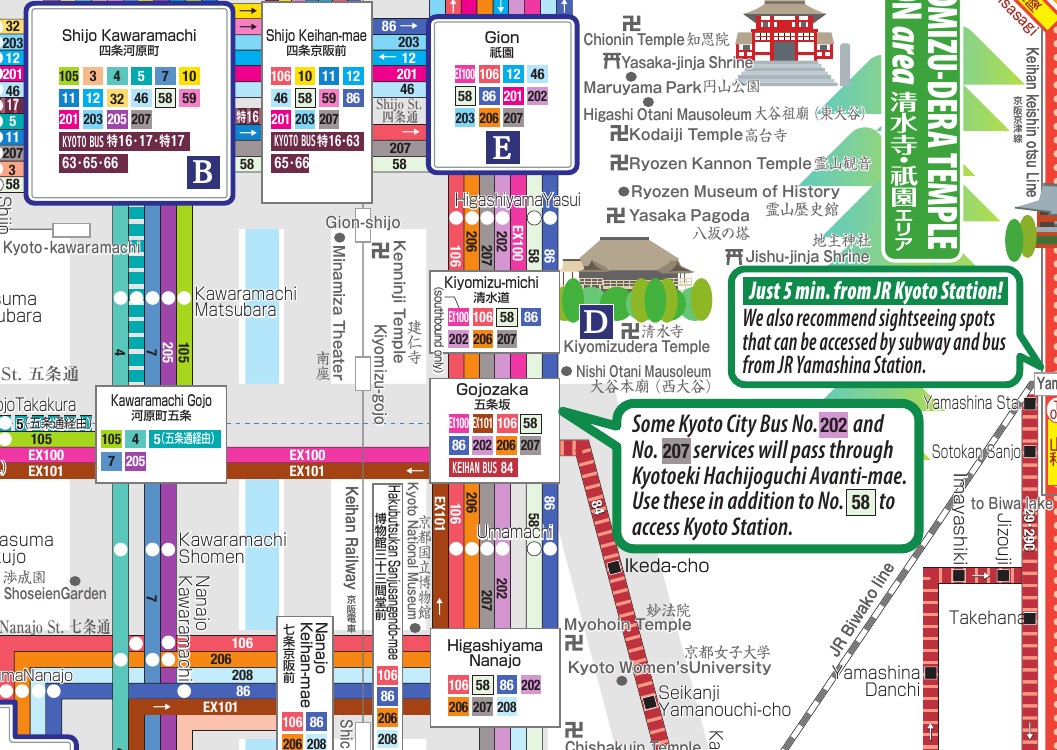
✅ Bus routes to Kiyomizu-dera from main starting points
From Kyoto Station, take bus 106 or 206. On Saturdays, Sundays and holidays, the EX100 and EX101 sightseeing express buses also run.
| From | Bus | Get off at |
|---|---|---|
| Kyoto Station | 106, 206 | Gojo-zaka or Kiyomizu-michi |
| Kyoto Station | EX100, EX101 ※ Saturdays, Sundays and holidays only | Gojo-zaka |
| Near Nishiki Market / Shijo Kawaramachi | 207 | Kiyomizu-michi |
| Gion-Shijo Station | 86, 207 | Kiyomizu-michi |
| Kiyomizu-Gojo Station | 80 | Gojo-zaka |
| Near Heian Jingu (Higashiyama Nijo / Okazaki Koen-guchi) | 202, 206 | Kiyomizu-michi |
※ On Saturdays, Sundays and holidays, you can also take the EX100 sightseeing express from the Okazaki Koen Bijutsukan/Heian Jingu-mae stop in front of Heian Jingu.
I covered Heian Jingu's location, admission and the Shin-en Garden in an earlier post.
👉 Heian Jingu Kyoto: Autumn Leaves, Shin-en Garden & Fees
From the bus stop, I walked up Kiyomizuzaka (清水坂). It was midday in August and very hot. If the uphill walk sounds like too much, you can also take a taxi and come in from the Gojo-zaka side.
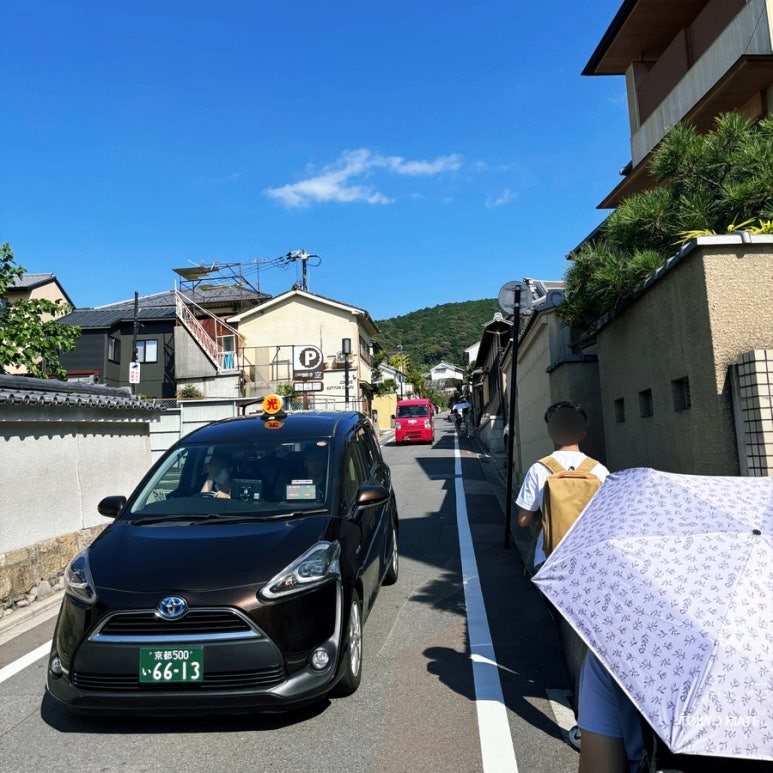
✅ By taxi
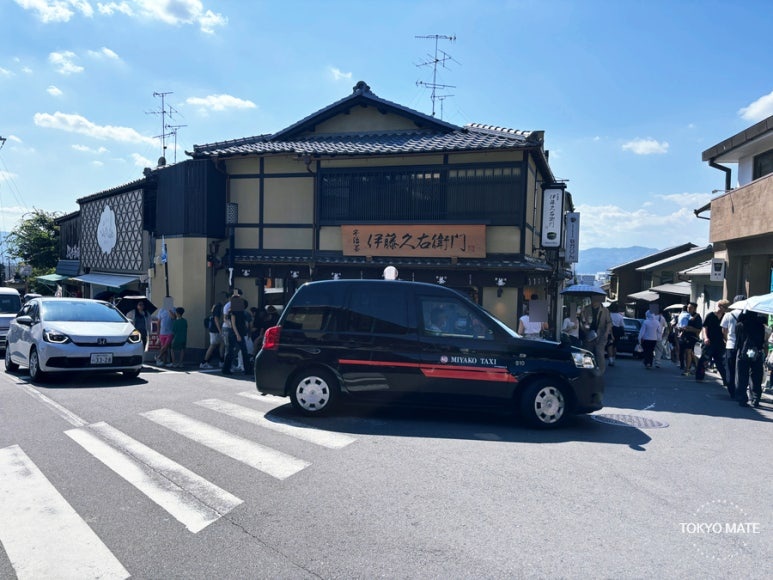
Kiyomizuzaka is one-way, and cars can't drive up it toward the temple. By taxi, go up via Gojo-zaka to a spot near Kiyomizu-dera and walk the rest of the way.
When I visited, taxis were coming up as far as Itohkyuemon Kiyomizu Main Store (伊藤久右衛門 清水本店) and turning around there. If you use a taxi app, you can set this spot as your destination and walk the rest.
📍 Where taxis turned around when I visited
Kiyomizu-dera Main Hall and Highlights
清水寺 is read "Kiyomizu-dera" in Japanese, and the temple was founded in 778. In 1994 it was added to the UNESCO World Heritage list as one of the Historic Monuments of Ancient Kyoto.
The grounds cover about 130,000㎡ and hold more than 30 buildings, including National Treasures and Important Cultural Properties. Most of the buildings you see today were rebuilt in 1633.
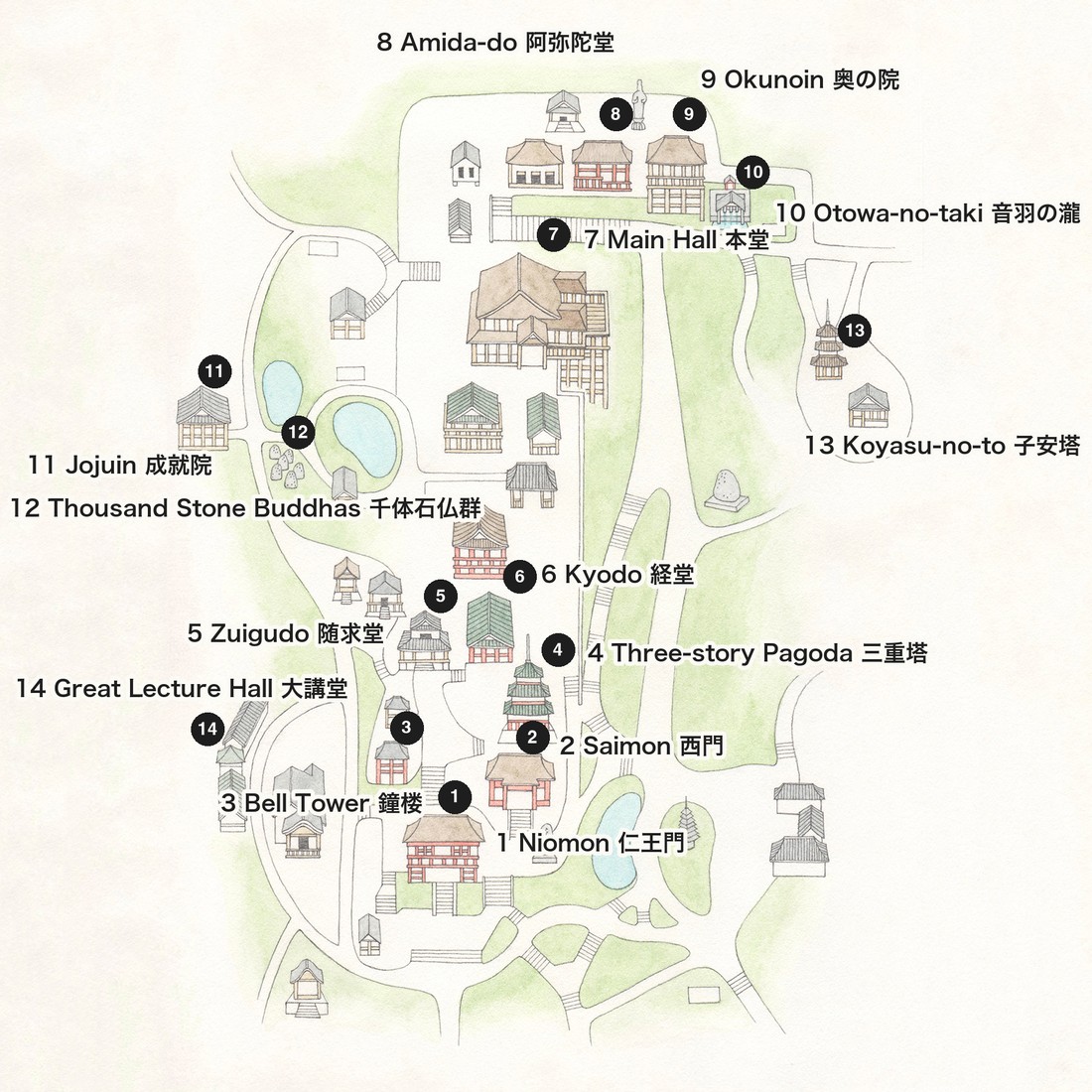
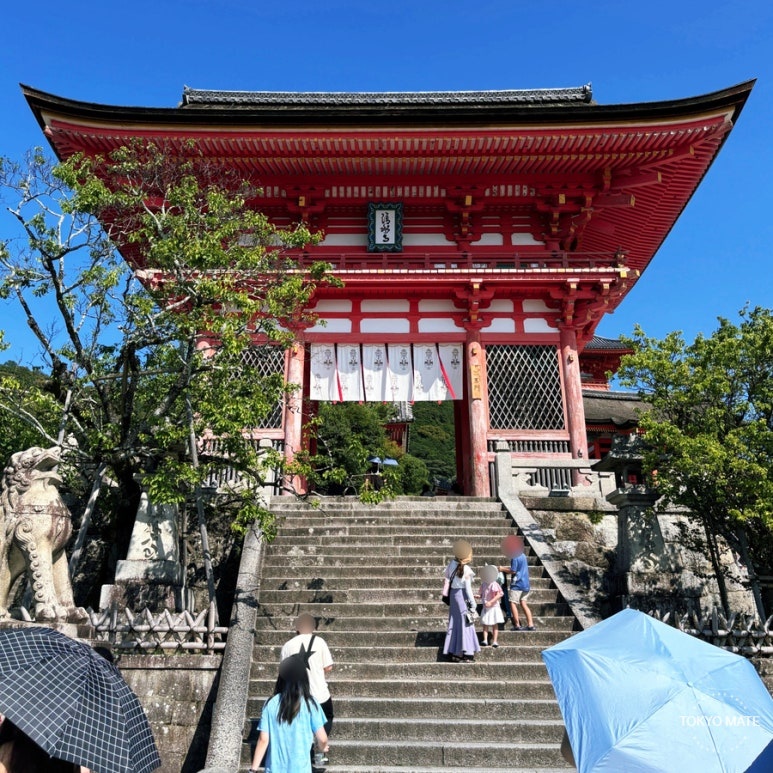
1. Niomon (仁王門)
Kiyomizu-dera's main gate, about 14m tall. It burned down in 1469, was rebuilt around 1500, and is an Important Cultural Property.
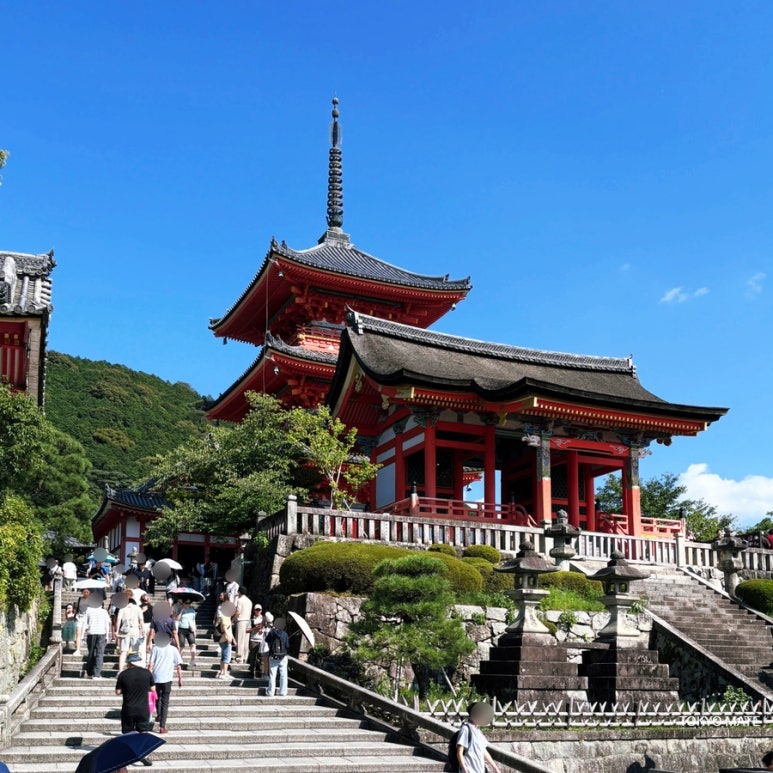
2. Saimon (西門)
The current building was rebuilt in 1633 and is an Important Cultural Property. It's known as a place to contemplate the Pure Land while facing the sun setting in the west.
3. Bell tower (鐘楼)
An Important Cultural Property, rebuilt and moved to its current spot in 1607. It has Momoyama-period decoration, including carvings of peonies and chrysanthemums.
4. Three-story pagoda (三重塔)
At about 30m, it's one of the largest three-story pagodas in Japan. The current pagoda was rebuilt in 1632 and is one of Kiyomizu-dera's landmark buildings, easy to spot from around central Kyoto.
5. Zuigudo (随求堂)
Built in 1735, this hall enshrines the bodhisattva Daizuigu. Inside you can do the tainai meguri, a walk through a dark underground passage.
6. Kyodo (経堂)
Built in 1633 as a space for Buddhist teaching. Inside are a Shakyamuni triad and an ink painting of a dragon on the ceiling. It's an Important Cultural Property.
7. Main hall (本堂)
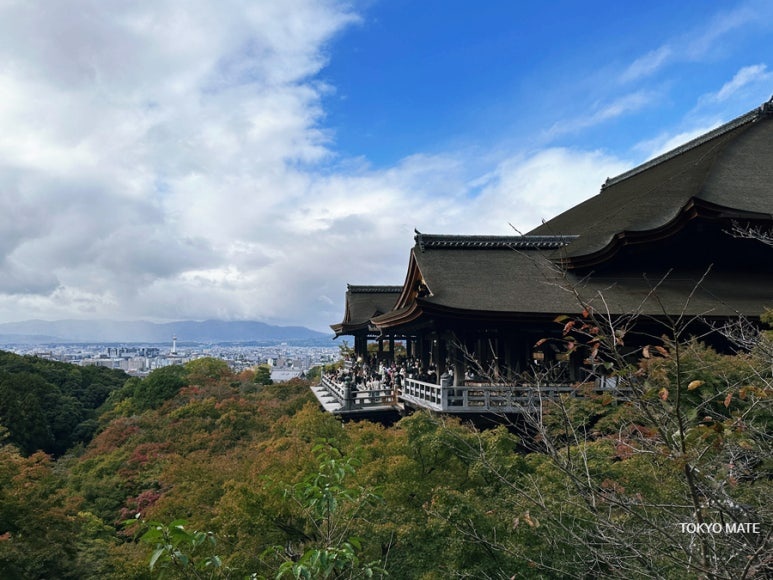
The main hall was rebuilt in 1633 and is a National Treasure. The "Kiyomizu stage" that juts out in front of it stands about 13m above the base at the foot of the cliff.
The stage rests on 18 zelkova pillars and has a floor area of about 200㎡. It was built in the kakezukuri (懸造り) style, with timbers fitted together without nails.
8. Amidado (阿弥陀堂)
An Important Cultural Property rebuilt in 1631, enshrining Amida Nyorai. It's said to be where the monk Honen practiced the nembutsu.
9. Okunoin (奥の院)
This hall stands right above Otowa-no-taki and was rebuilt in 1633. Like the main hall, it has a wooden stage built in the kakezukuri style.
10. Otowa-no-taki (音羽の瀧), the wishing water
The waterfall that gave Kiyomizu-dera its name. The water falls in three streams, and visitors catch it with a ladle to pray for their wishes to come true and for purification of body and mind.
11. Jojuin (成就院)
This building began as the residence of the monk Gan'a, who rebuilt Kiyomizu-dera. Its garden, known as the "Moon Garden," is only open to the public for a limited period each year.
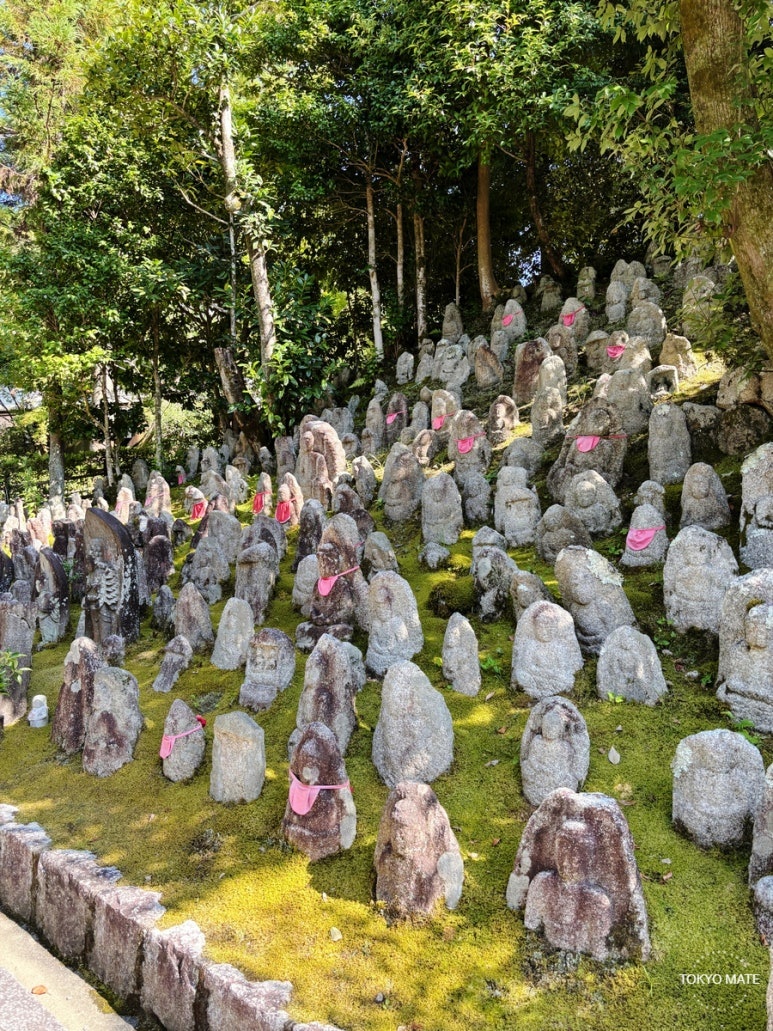
12. Thousand stone Buddhas (千体石仏群)
A place where many stone Buddhas are gathered together. During the anti-Buddhist movement of the Meiji era, local people brought stone statues of Dainichi Nyorai, Amida Nyorai, Kannon and others from all over Kyoto to Kiyomizu-dera.
13. Koyasu-no-to (子安塔)
The current pagoda was rebuilt in 1500 and is an Important Cultural Property. It enshrines Koyasu Kannon and has long been known as a place to pray for safe childbirth.
14. Great lecture hall and temple office (大講堂・寺務所)
Built in 1984 to mark Kiyomizu-dera's 1,200th anniversary. It's a space for Kannon worship and for international and cultural exchange, with the temple office, the Tahokaku and the Hozoden treasure house. The Hozoden is closed to the public.
Walking Down from Kiyomizu-dera via Sannenzaka and Ninenzaka
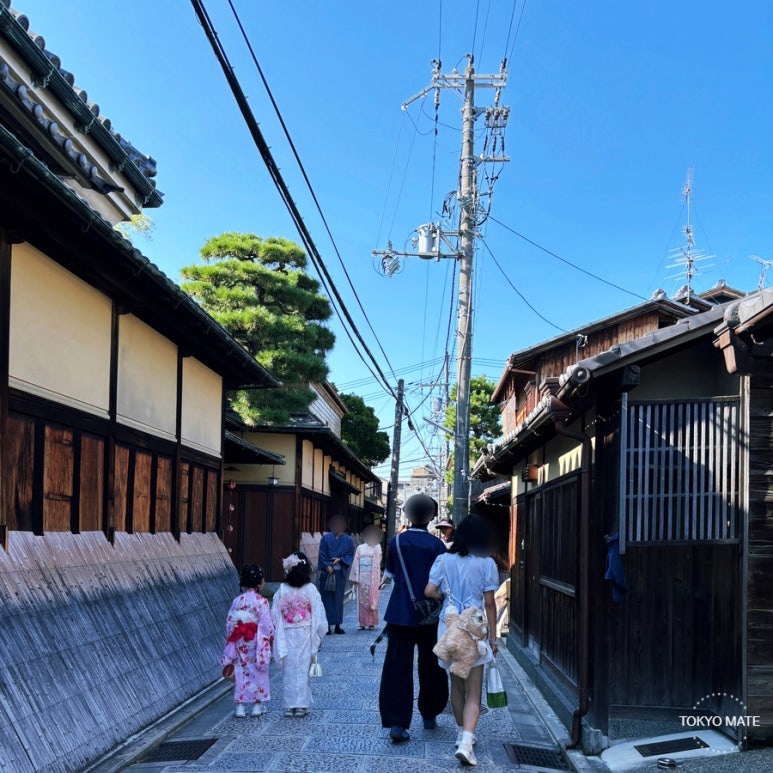
On the way down, I walked along Sannenzaka (産寧坂) and Ninenzaka. Of everything I walked that day, the Sannenzaka and Ninenzaka stretch was the best part.
The Sannenzaka and Ninenzaka area grew up along the paths linking Kiyomizu-dera, Hokan-ji and the other temples and shrines of eastern Kyoto. Old wooden townhouses called machiya (町家) line the stone steps and winding stone lanes.
✅ Sannenzaka
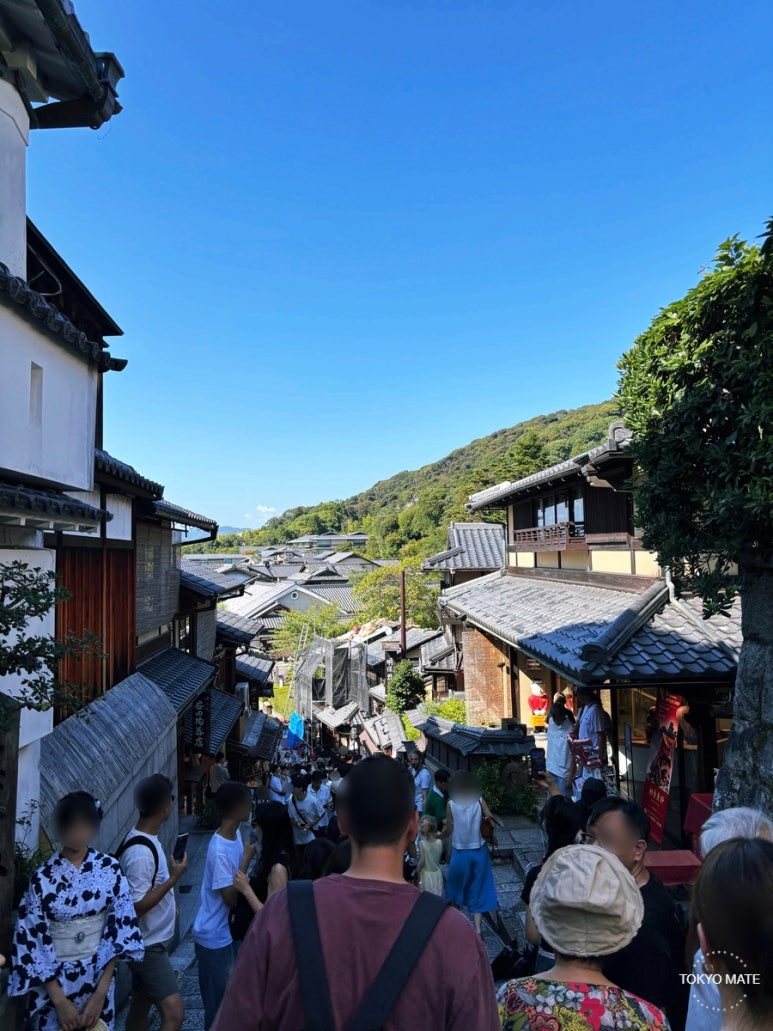
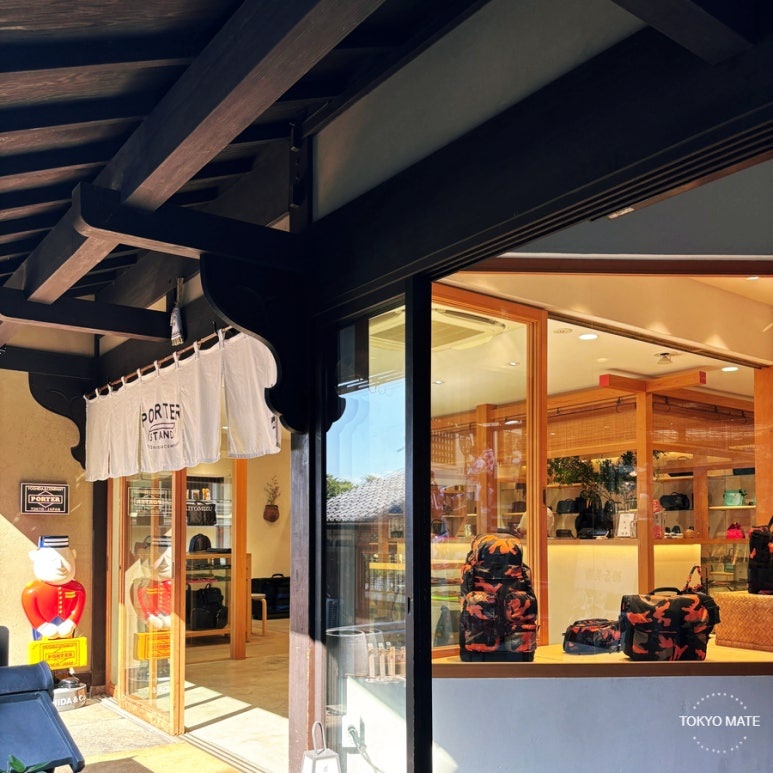
Sannenzaka (産寧坂) is a stone stairway that runs down from below Kiyomizu-dera. It's also called Sanneizaka, and traditional wooden houses and shops line the steps.
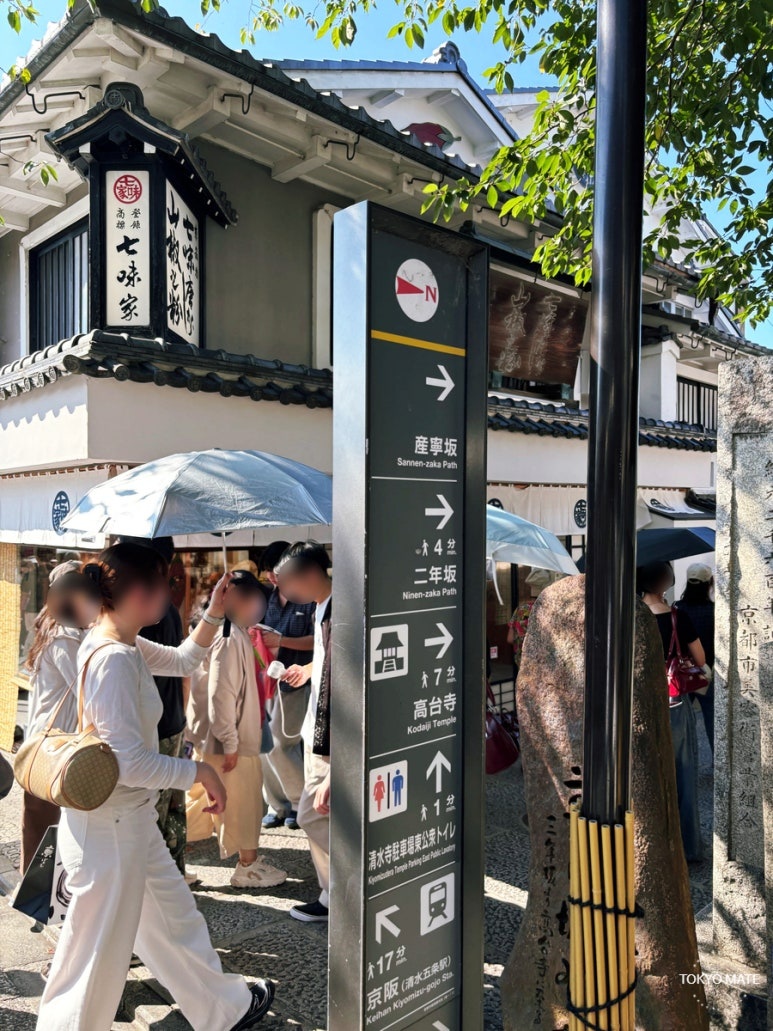
One story says the name 三年坂 (Sannenzaka, "year-three slope") comes from the path being built in the year 808. Another says it was called 産寧坂 (Sanneizaka) because people climbed it to pray to Kiyomizu-dera's Koyasu Kannon for a safe birth.
✅ Hokan-ji
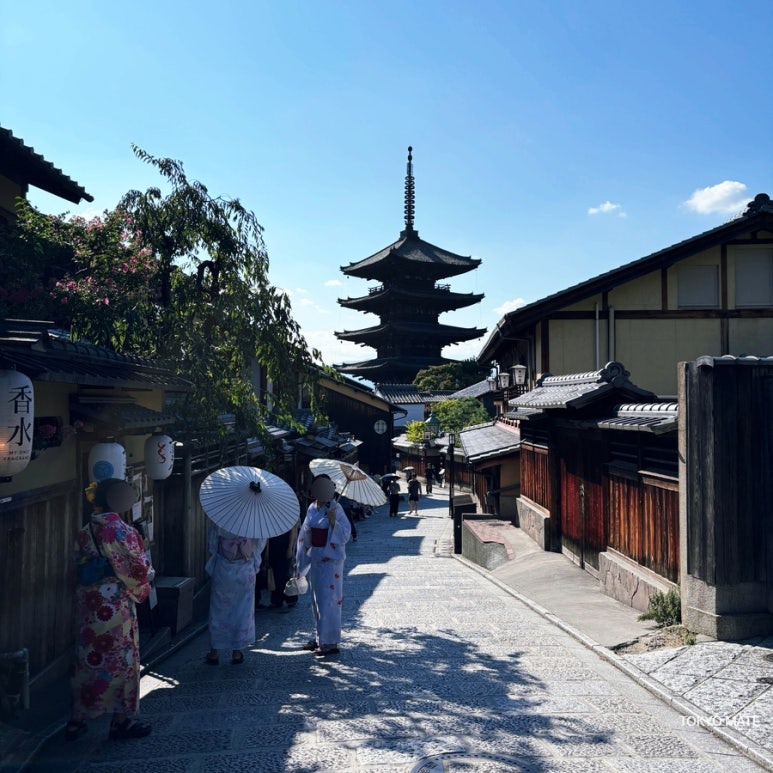
Hokan-ji (法観寺) has a 46m five-story pagoda commonly called the Yasaka Pagoda (八坂の塔). The current pagoda was rebuilt by Ashikaga Yoshinori in 1440 and is an Important Cultural Property.
✅ Ninenzaka
Ninenzaka (二寧坂) is the stone lane that continues on from the bottom of Sannenzaka. It's gentler than the steep stone steps of Sannenzaka, with traditional wooden houses and shops along the way.
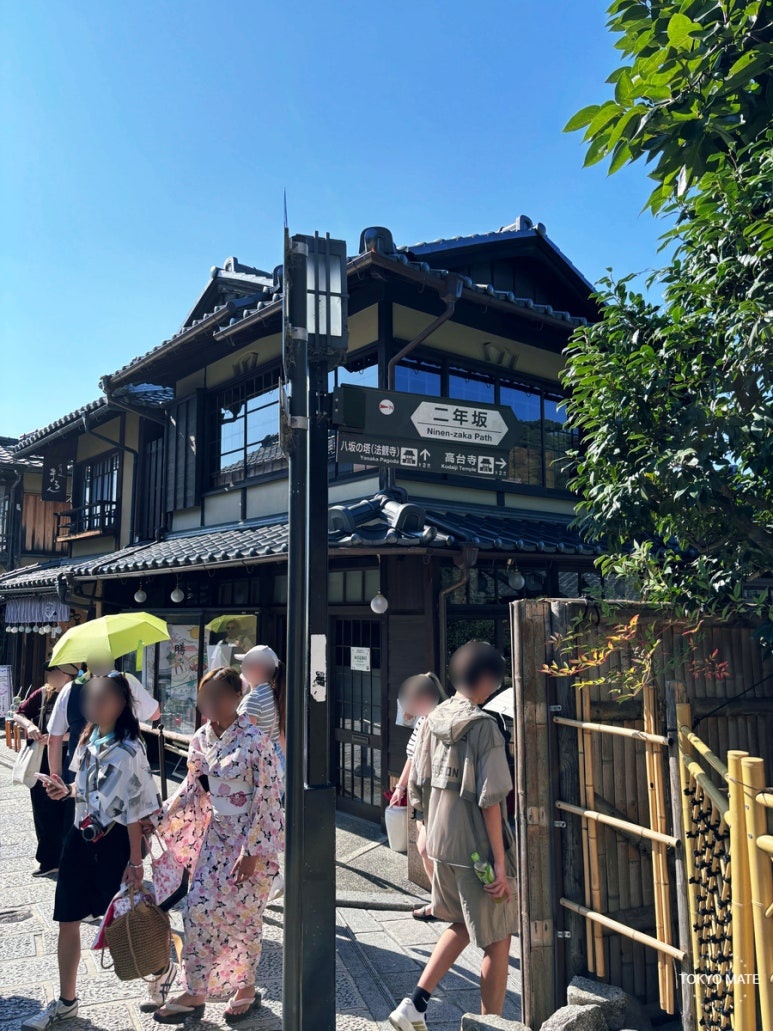
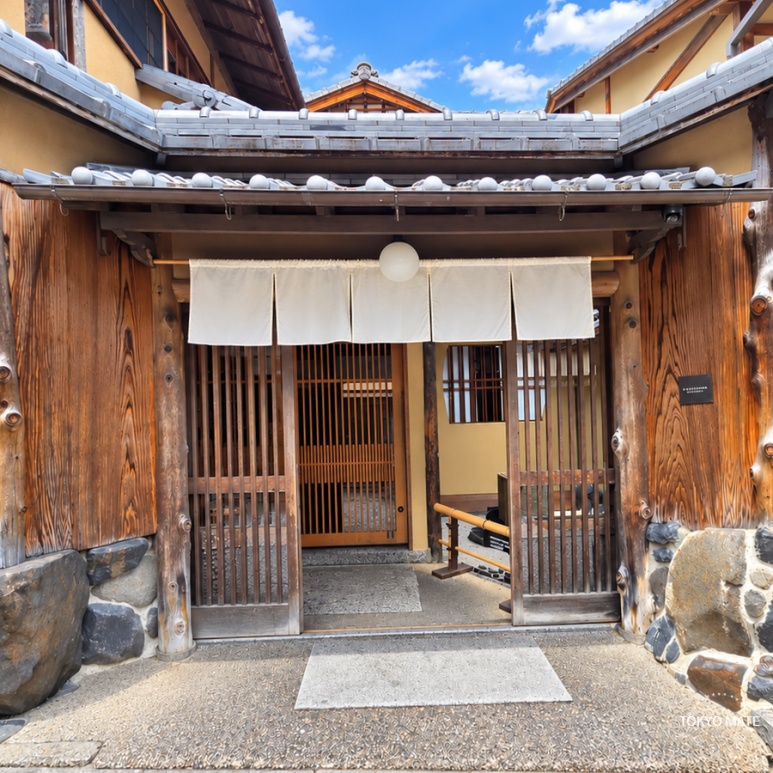
Ninenzaka also has Starbucks Kyoto Ninenzaka Yasaka Chaya, set in a traditional house more than 100 years old. The second floor has tatami seating.
✅ Hanamikoji-dori
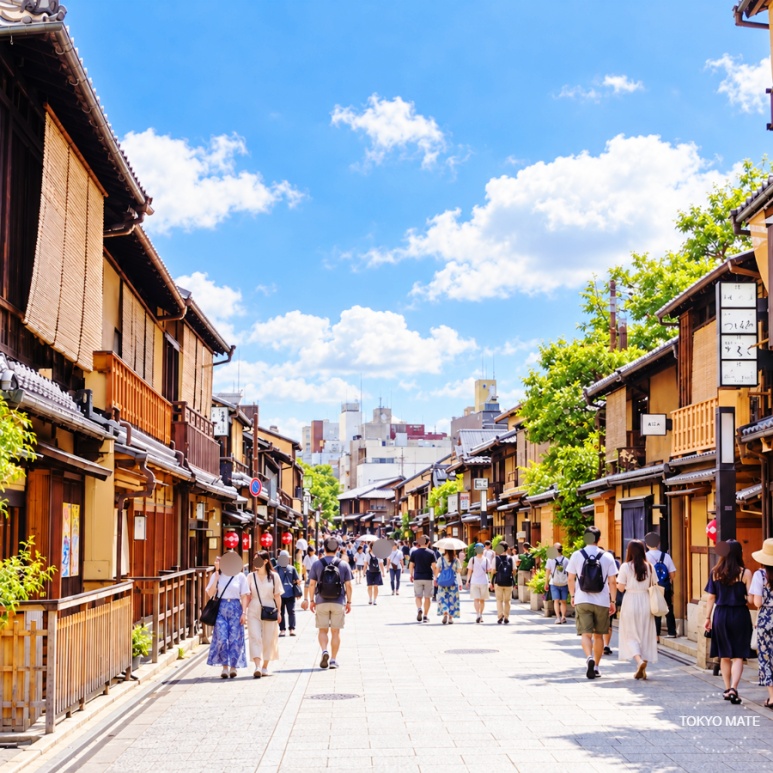
Hanamikoji-dori (花見小路通) is Gion's best-known street, running through the Gion Kobu district. It's lined with ochaya teahouses and restaurants, and it's where you can see Kyoto's geisha district culture.
In Gion, don't follow geiko or maiko, and don't photograph them without permission. Some private property and private lanes ban photography or entry, so follow the signs on site.
Kiyomizu-dera FAQ: Reservations, Taxis & Strollers
Q. Do I need to book Kiyomizu-dera in advance?
A. No reservation is needed for regular visits. The 2026 autumn night opening runs November 21-30 and doesn't need a reservation either. During the night opening, entry closes at 21:00 and the gates close at 21:30.
Q. Can I take a taxi right up to Kiyomizu-dera?
A. There's no parking on the temple grounds, and Kiyomizuzaka in front of the temple is closed to vehicles from 8:00 to 19:00. Taxis can approach from the Gojo-zaka side and go up close to the temple, and you walk the rest. Because of crowding, Kiyomizu-dera itself asks visitors to use public transportation or taxis where possible. Wheelchair users can enter by car from the emergency road entrance on the Chawanzaka side and get close to the main hall.
Q. Can I reach the main hall with a stroller or wheelchair?
A. With a stroller, take the step-free path on the left side of the main approach up to the main hall. From there, you can follow the same barrier-free route as wheelchair users. Wheelchair users can approach the main hall from the Chawanzaka emergency road and then use the step-free route. There are accessible toilets in several places, but wheelchairs are not available to rent.
Walking down from Kiyomizu-dera along Sannenzaka and Ninenzaka, the old Kyoto streets went on slowly, like the lingering mood of the trip.
I think I'll remember that walk through the stone steps and lanes for a long time.
🧡 Tokyo Mate Kyoto Guides