Honke Daiichi Asahi Kyoto Station: Ramen Menu & Wait
Tokyo Mate
Honke Daiichi Asahi's main branch, a popular ramen shop founded in 1947, is about a 4-minute walk from Kyoto Station. When I went at 9 a.m., I walked straight in without waiting.
Honke Daiichi Asahi Main Store: Location and Hours
Honke Daiichi Asahi main store is a long-running Kyoto ramen shop that opened in 1947, about a 4-minute walk from JR Kyoto Station.
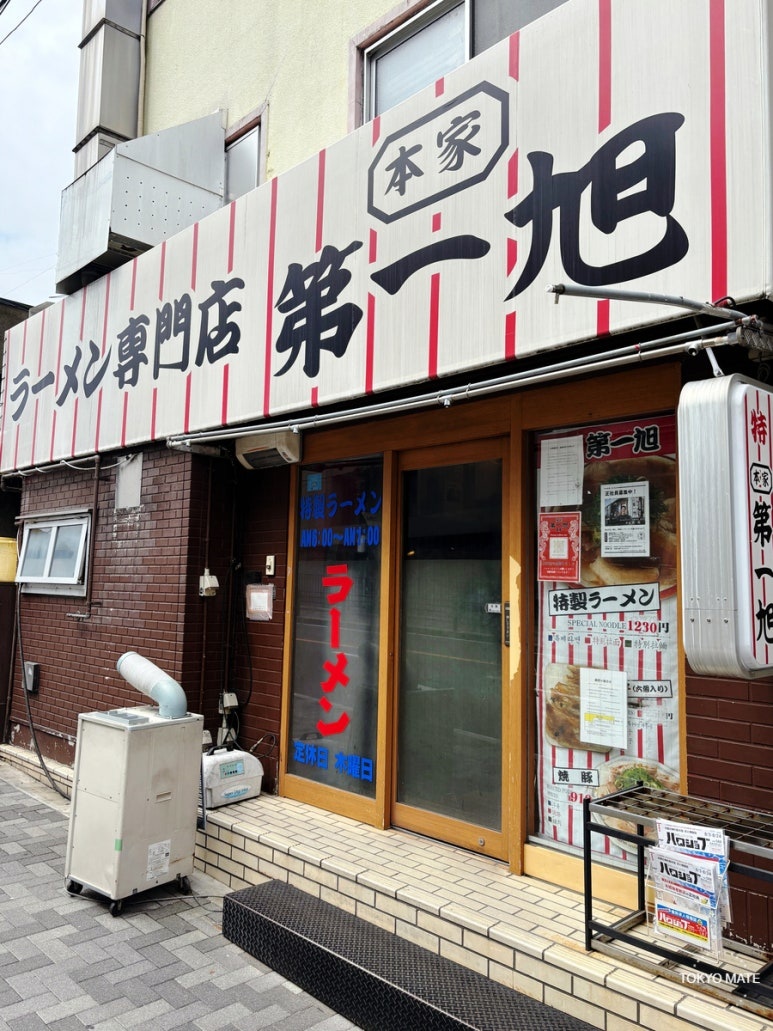
| Name | Honke Daiichi Asahi main store (本家 第一旭 本店) |
| Rating | Google 4.0 (9,253) / Tabelog 3.74 (6,901) |
| Awards | Tabelog Ramen WEST Hyakumeiten, 7 years in a row (2019-2025) |
| Hours | 06:00-25:00 |
| Closed | Thursdays |
| Reservations | Not accepted |
| Payment | Cash, credit cards, e-money and QR code payments |
| Seats | 31 (3 at the counter, 28 at 7 tables) |
| Location | 845 Higashishiokoji Mukaihatacho, Shimogyo-ku, Kyoto 📍 View on Google Maps |
| Access | About 4 min walk from JR Kyoto Station |
| Official shops (6 incl. main store) | Kyoto: Karasuma, Sanjo Kawaramachi Osaka: Tenma Tokyo: Shinjuku, Jimbocho |
🚶 Getting there from Kyoto Station
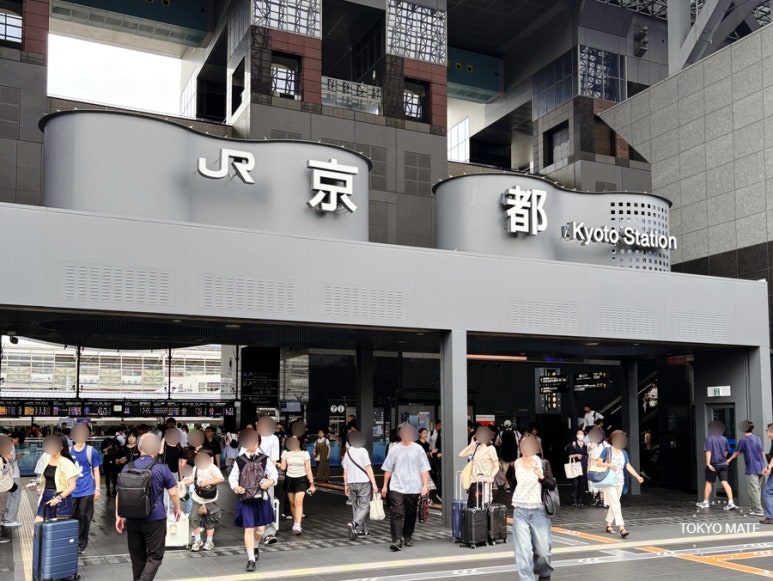
It's about a 4-minute walk from the JR Kyoto Station central ticket gate. It's open from 6 a.m. to 1 a.m., so it works as a first meal when you arrive in Kyoto early, or a last meal on a day you've been out late.
The 9 a.m. Wait and How to Order
A lot of reviews of Honke Daiichi Asahi mention the wait.
Some reviews said there was a line even right after it opens at 6 a.m., and that worried me. But when I went around 9 a.m. in August 2026, I walked straight in without waiting.
It was my first stop after arriving at Kyoto Station, for a breakfast ramen. There was no line, but the shop was almost full. Customers kept coming in until I finished and left, which gave me the impression that plenty of people come here even in the morning.
When it's full, you line up in the order shown on the guide once your whole group is there. When your turn gets close to the sign, you buy a meal ticket from the machine inside the shop and then go back to your place in line.
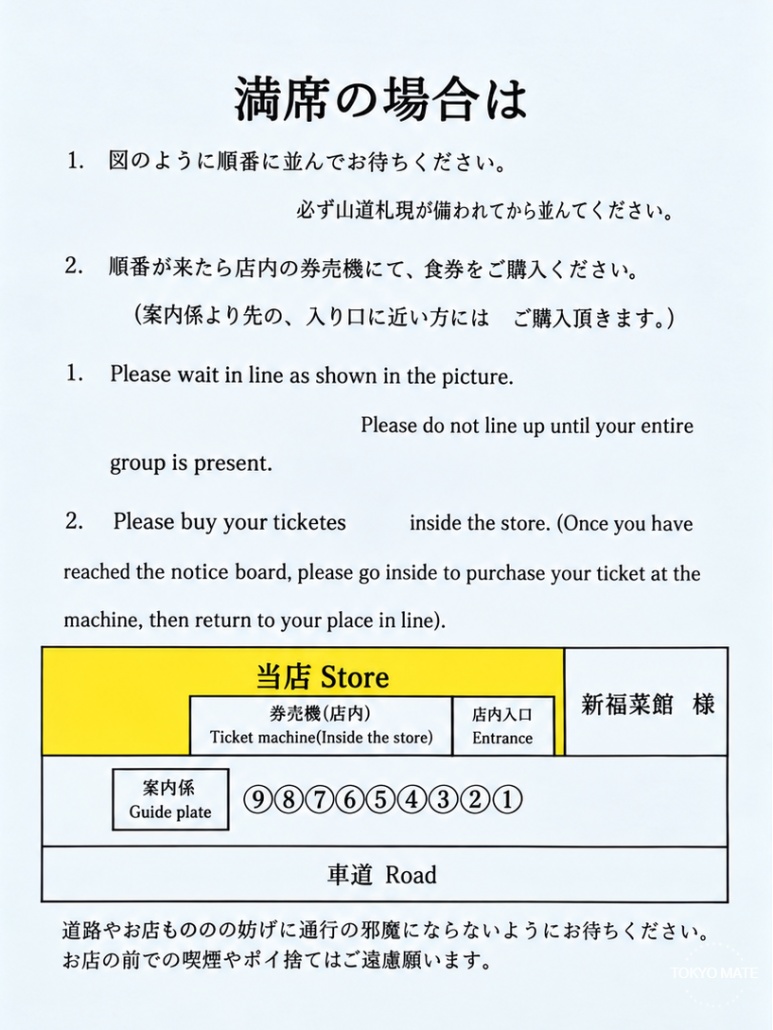
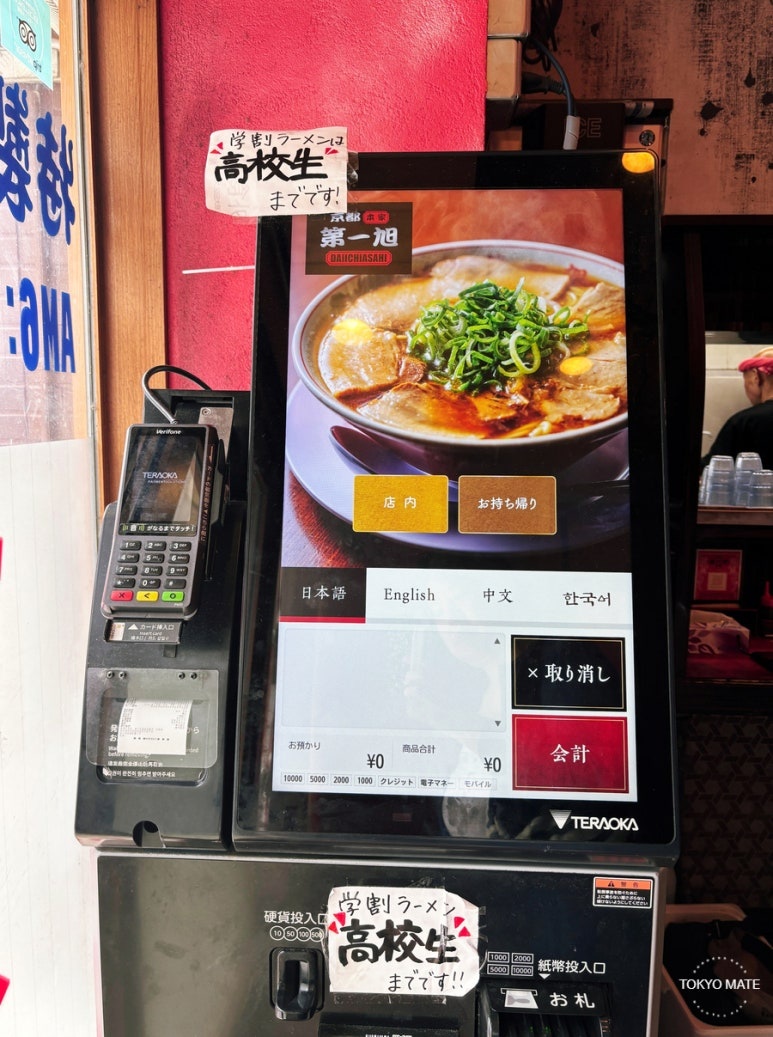
At 9 a.m. when I visited there was no line, so after a staff member showed me in, I went straight inside and ordered at the ticket machine. The machine supports Japanese, English, Chinese and Korean, so choosing from the menu wasn't hard, and you can pay by credit card too.
Honke Daiichi Asahi Menu and Prices
The standard ramen here is 980 yen, and you can also order the special ramen, chashu-men, menma ramen, mini ramen and more.
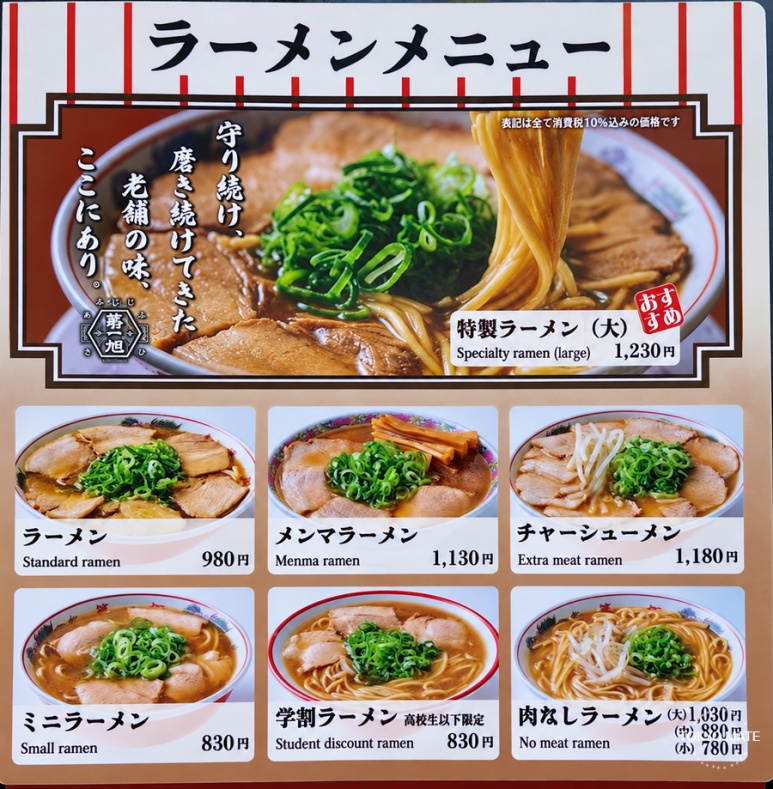
| Menu | Price |
|---|---|
| Special ramen | 1,230 yen |
| Ramen | 980 yen |
| Menma ramen | 1,130 yen |
| Chashu-men | 1,180 yen |
| Mini ramen | 830 yen |
| Student discount ramen | 830 yen |
| Meat-free vegetable ramen, large | 1,030 yen |
| Meat-free vegetable ramen, medium | 880 yen |
| Meat-free vegetable ramen, small | 780 yen |
| Gyoza | 350 yen |
※ All prices include tax and are based on the official menu as of September 2026.
Standard Ramen and Gyoza Review
I ordered the standard ramen for 980 yen and gyoza for 350 yen.
✅ Ramen, 980 yen
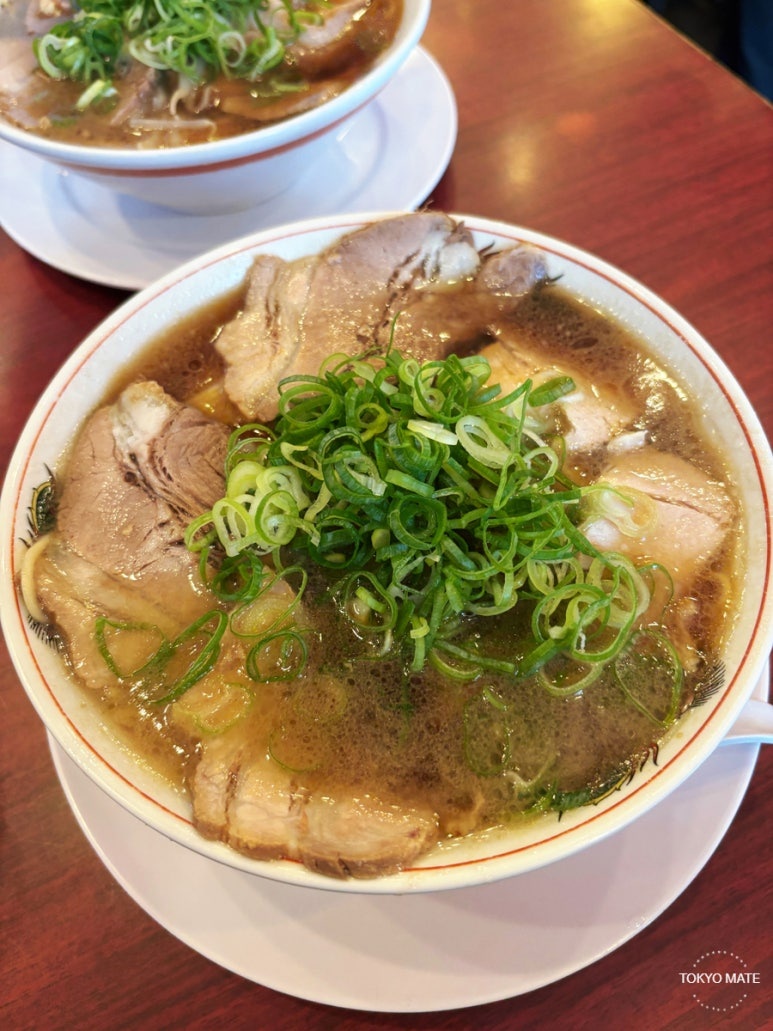
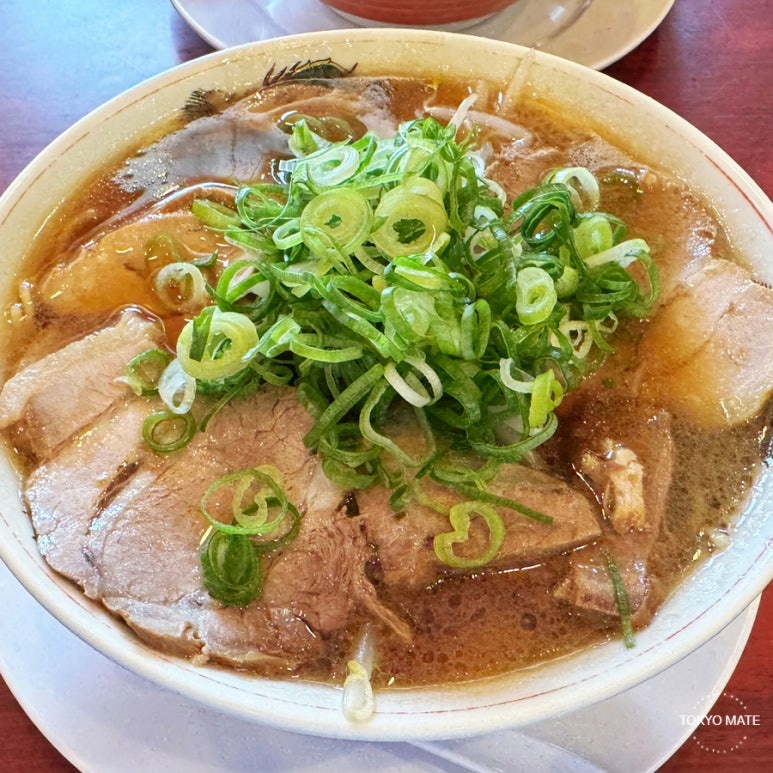
The standard ramen comes in a clear brown shoyu broth, topped generously with chashu, Kujo negi and bean sprouts.
The broth uses additive-free raw soy sauce made in Fushimi, Kyoto. It looks dark, but it doesn't just taste of soy sauce: the raw soy sauce adds umami to the pork stock, and the flavor came through clearly. The chashu is made from lean domestic pork. The broth was clear, not cloudy, and even on the standard ramen, thinly sliced chashu was piled high, so there was plenty to eat.
The spring onion is Kujo negi, a traditional Kyoto vegetable. Its aroma and gentle sweetness added freshness to the shoyu broth, and the Kyoto-grown bean sprouts were crisp. The broth, noodles, chashu, Kujo negi and bean sprouts came together without any one of them taking over, so the whole bowl was well balanced.
With the hot shoyu broth and plenty of chashu, it was a filling first breakfast after arriving in Kyoto.
✅ Gyoza, 350 yen
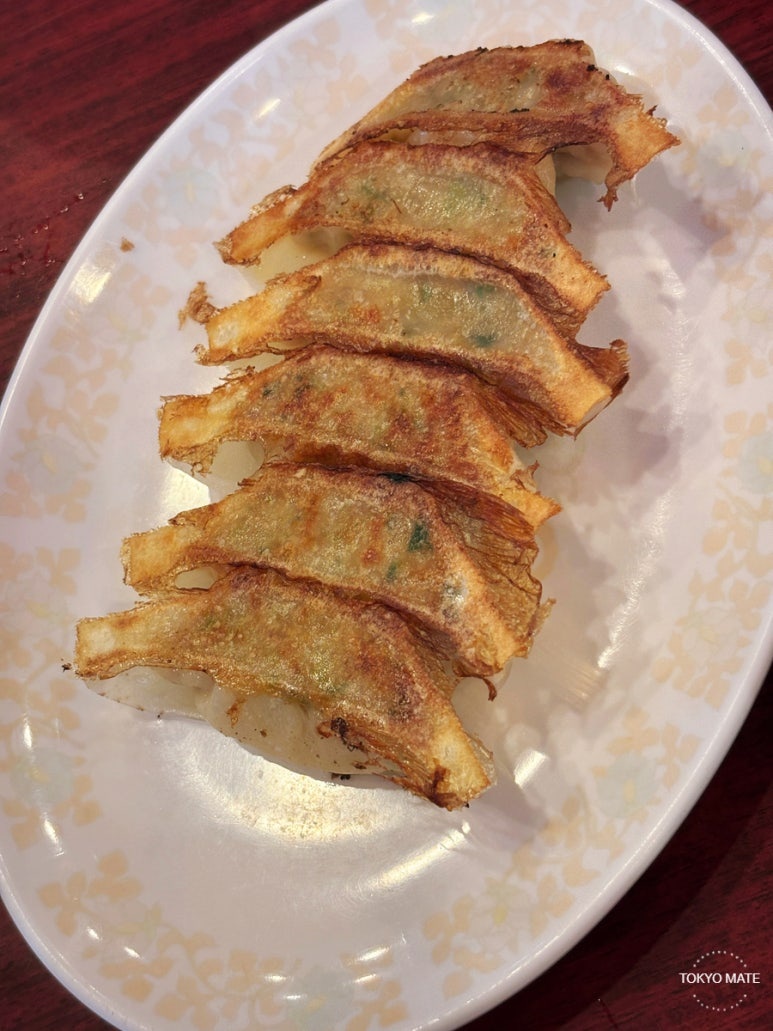
Gyoza are 350 yen for a portion of 6.
I had them with the ramen, and the gyoza were just okay. They didn't make much of an impression next to the ramen, and since the standard ramen already comes with plenty of chashu, I think it's enough without adding a side.
Maybe because it was the first thing I ate after arriving at Kyoto Station, the ramen at Honke Daiichi Asahi is the one I remember best. Starting a trip with ramen in the morning may feel a little unusual, but after a hot bowl of shoyu ramen, it felt like my Kyoto trip had finally begun.
Another Hyakumeiten ramen I had in Osaka