Kyu-Furukawa Gardens Roses 2026: Hours & Admission
Tokyo Mate
Kyu-Furukawa Gardens, one of Tokyo's most famous rose spots, is best known for its May–June Rose Festival. This guide covers everything from how to get there to the Western house, the Japanese garden, and the 2026 Rose Festival schedule (Apr 29 – Jun 30, 2026).
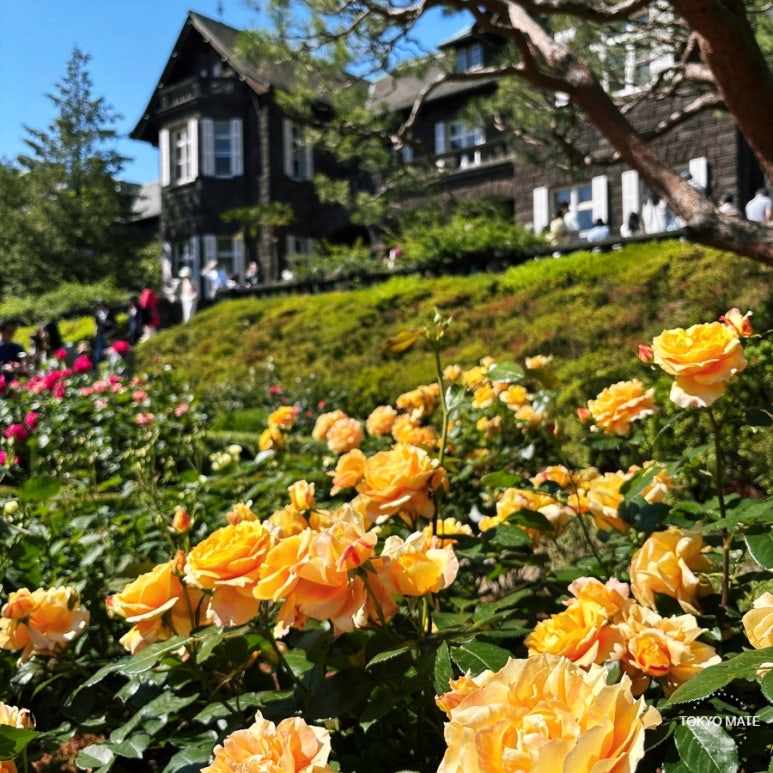
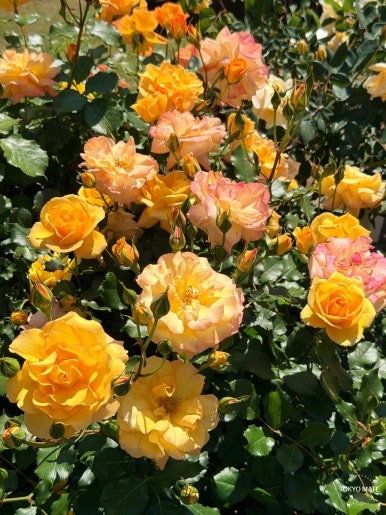
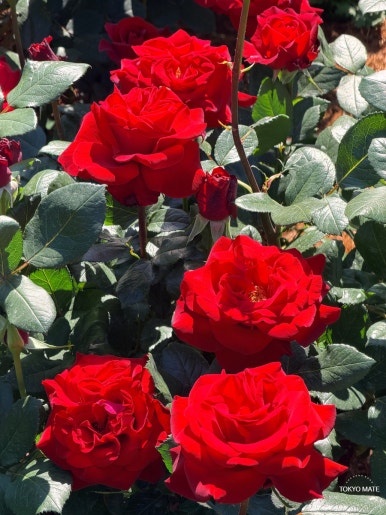
Kyu-Furukawa Gardens (旧古河庭園), known as one of Tokyo’s iconic rose spots, is a place where you can enjoy a Western garden and a Japanese garden together. The May–June Rose Festival, when about 100 varieties and 200 rose bushes come into full bloom, is the most popular time to visit.
What is Kyu-Furukawa Gardens?
Kyu-Furukawa Gardens (旧古河庭園, Kyū Furukawa Teien) is a nationally designated Place of Scenic Beauty located in Nishigahara, Kita-ku, Tokyo, and one of Tokyo’s well-known rose destinations.
It was created in the early Taishō era (1912–1926), and its defining feature is the way a Western-style garden, a stately Western house, and a Kyoto-style Japanese garden all sit together in one place.
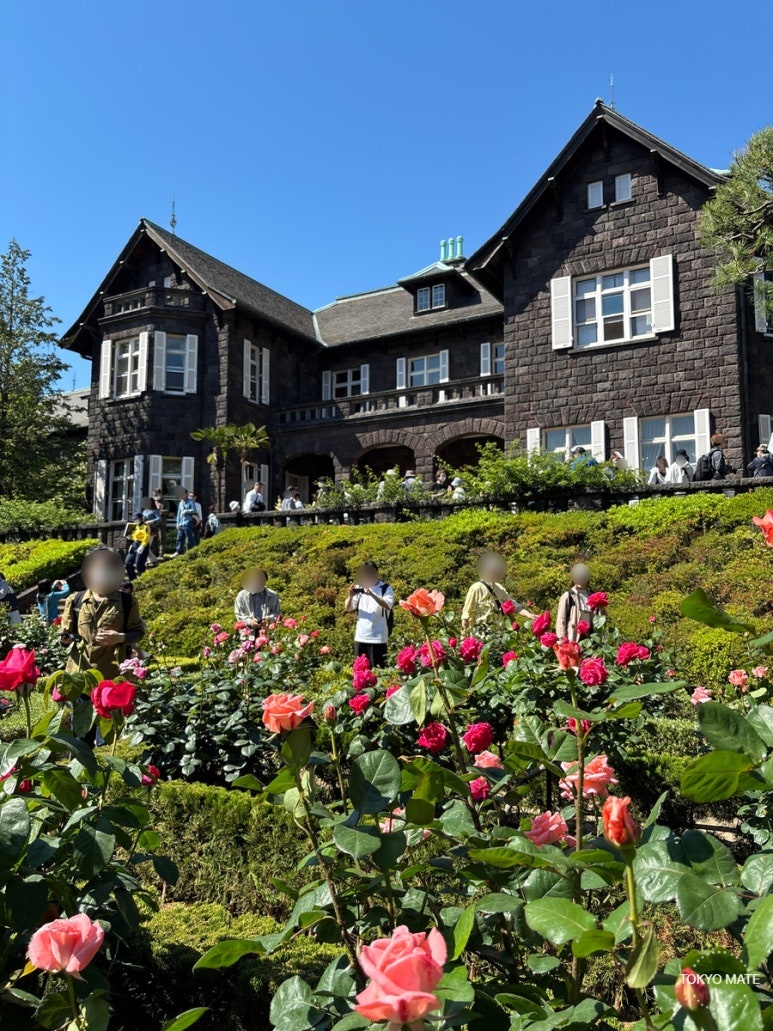
What Makes Kyu-Furukawa Gardens Special
- The Western house and Western-style garden designed by British architect Josiah Conder
- A Japanese garden created by Ueji (植治, Jihei Ogawa VII), a master gardener from Kyoto
- The exotic scenery of the Western house combined with about 100 varieties and 200 rose bushes
- 2026 marks the 70th anniversary of its opening and the 20th anniversary of its national Place of Scenic Beauty designation
📌 Josiah Conder, often called the father of modern Japanese architecture, has works scattered throughout Tokyo, but Kyu-Furukawa Gardens is the standout place where you can enjoy his Western house together with a rose garden.
Kyu-Furukawa Gardens Admission & Hours
Operating Information
| Name | Kyu-Furukawa Gardens (旧古河庭園) |
| Hours | 09:00–17:00 (last entry 16:30) 🌹 Early opening during Rose Festival May 8 (Fri)–10 (Sun) and May 15 (Fri)–17 (Sun): opens at 8:00 |
| Closed | Year-end and New Year holidays (Dec 29 – Jan 1 every year) |
| Admission | 150 yen (70 yen for ages 65+) Free for elementary school students and younger |
| Payment | Transit IC cards (Suica, PASMO, etc.) Credit cards PayPay / Rakuten Pay / au PAY |
| Reservations | Advance reservations not available |
| Garden Tour Guide (free / Japanese) | Weekends and public holidays at 11:00 / 14:00 (about 1 hour) ※ Suspended in July–August when the heat index reaches 31 or higher |
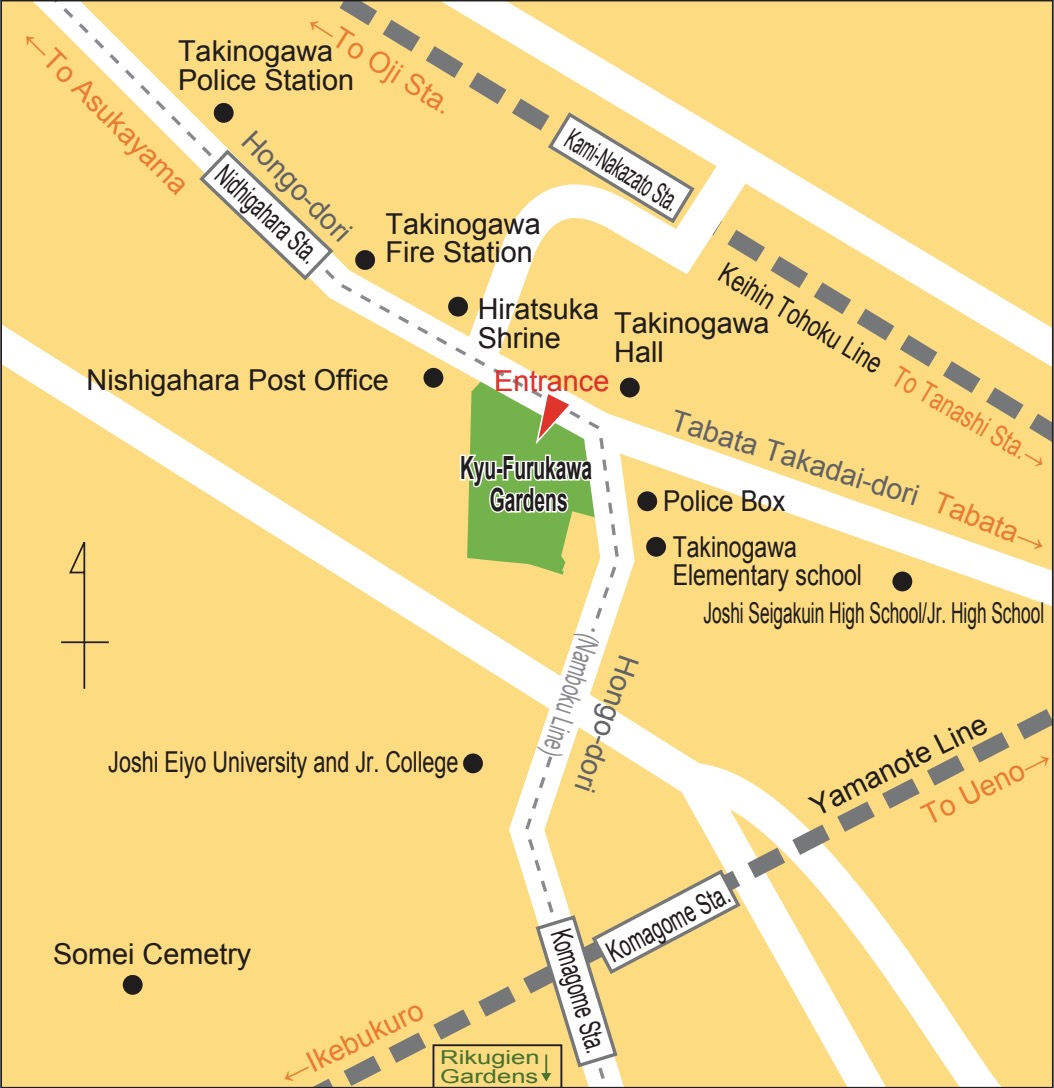
| Location | 1-27-39 Nishigahara, Kita-ku, Tokyo 🚇 JR Yamanote Line Komagome Station (駒込駅), 12 min on foot 🚇 JR Keihin-Tōhoku Line Kami-Nakazato Station (上中里駅), 7 min on foot 🚇 Tokyo Metro Namboku Line Nishigahara Station (西ヶ原駅), 7 min on foot 🚇 Toden Arakawa Line Asukayama Station, 18 min on foot 📍 View on Google Maps |
📌 Best station to use depending on your transit pass
① If you have the Tokyo Subway Ticket (subway pass)
Get off at Nishigahara Station (7 min on foot, the shortest distance).
② If you have the JR Tokunai Pass (JR 1-day pass)
- Get off at Kami-Nakazato Station (7 min on foot, shortest distance)
- Komagome Station (convenient on the Yamanote Line, 12 min on foot)
Kyu-Furukawa Gardens Rose Festival (2026)
The Spring Rose Festival is held at Kyu-Furukawa Gardens, one of Tokyo’s iconic rose destinations, every year from May to June.
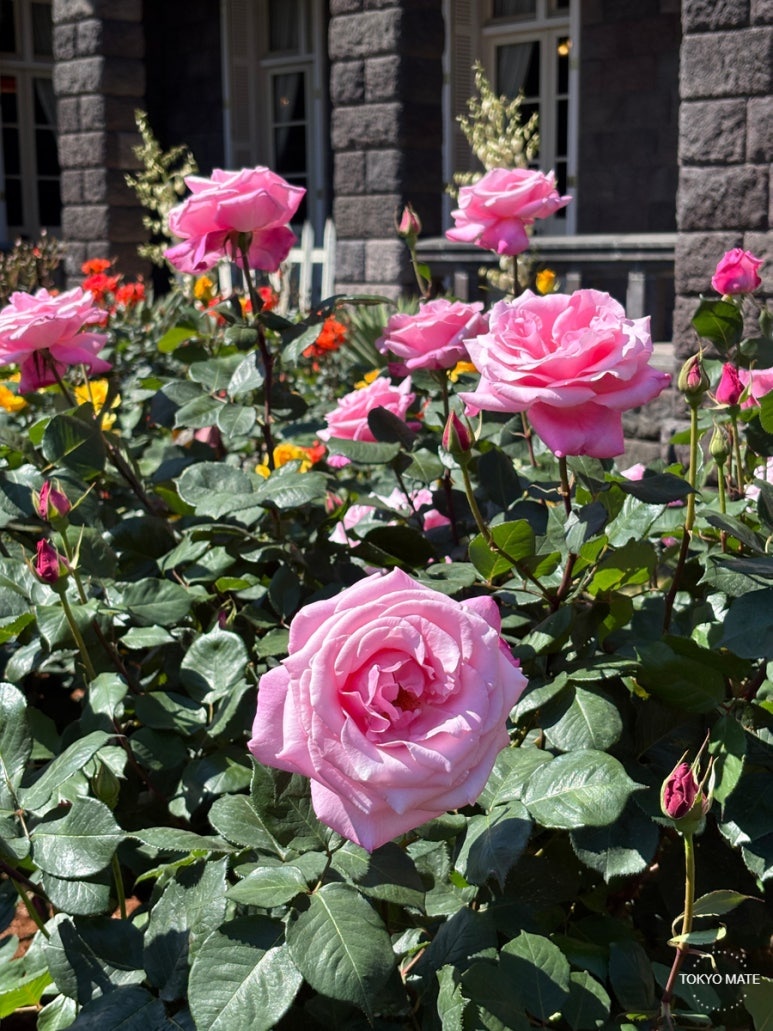
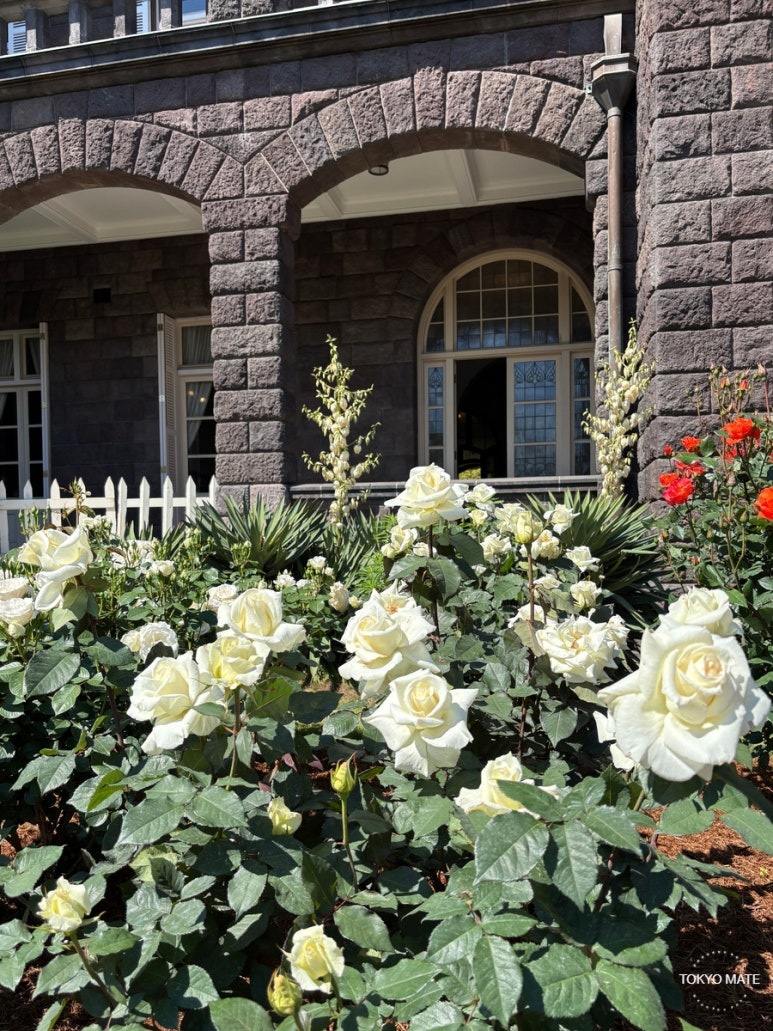
In the Western-style garden, about 100 varieties and 200 rose bushes come into full bloom, and the scenery framed by the Western house is the festival’s biggest draw. Popular varieties such as Maria Callas and Royal Princess can also be enjoyed here.
| Festival Period | Apr 29 (Wed) – Jun 30 (Tue), 2026 |
| Hours | 09:00–17:00 (last entry 16:30) |
| Early Opening | May 8 (Fri)–10 (Sun), May 15 (Fri)–17 (Sun) Opens at 8:00 |
| Rose Garden Market | Daily 10:00–16:30 |
| Spring Rose Photo Spot | Daily 10:00–16:30 |
| Rose Popularity Vote | ➡️ Open via the official X account (@kyufurukawa) |
| Rose Guide App | ➡️ App Store download ➡️ Android download |
How to Cut Your Wait Time at the Ticket Booth
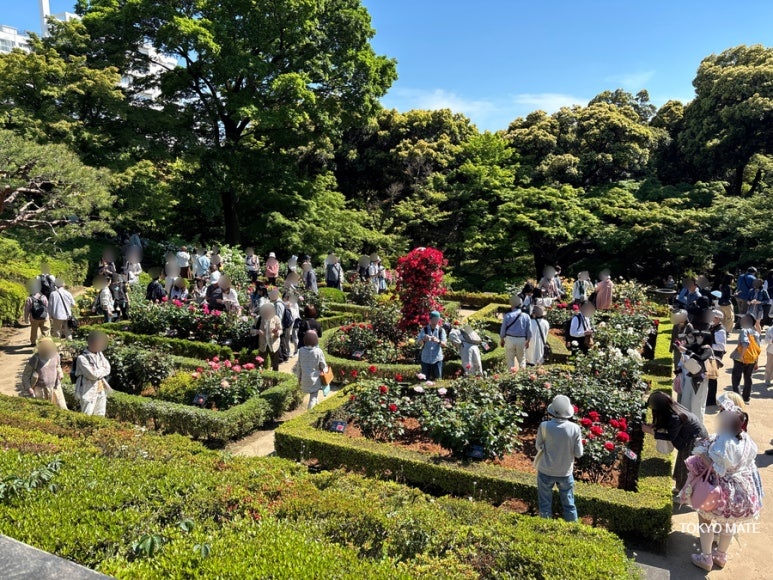
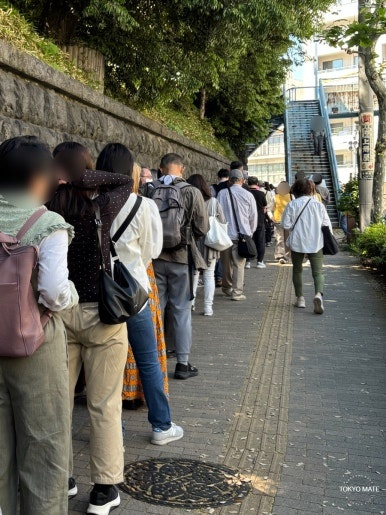
During the Rose Festival, long lines form in front of the ticket booth.
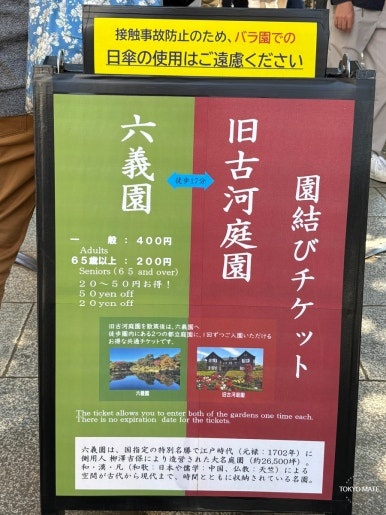
To shorten your wait, try arriving at 9:00 right when the gates open, or buy the “Enmusubi Ticket” — the joint admission pass available at Rikugien, which usually has shorter lines, in advance. With it, you can skip the line and enter directly.
📌 The Enmusubi Ticket is a joint admission pass for two Tokyo metropolitan gardens (Rikugien + Kyu-Furukawa Gardens). Both are in the Komagome Station area, so the route flows naturally.
⚠️ Things to Note When Visiting
- Tripods, selfie sticks, and drawing/painting are not allowed
- Parasol use may be restricted when crowded
- Some programs may be cancelled in case of rain
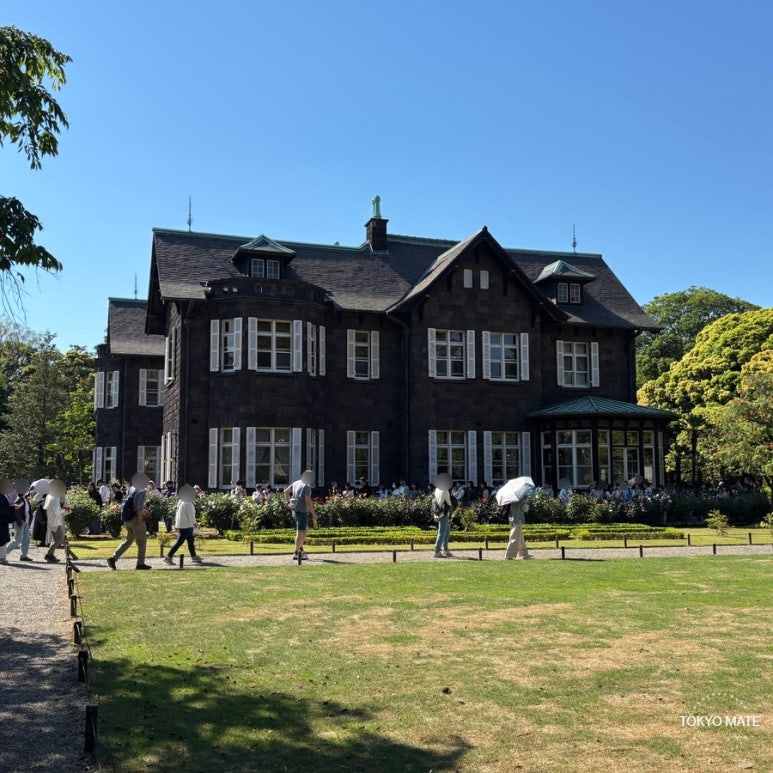
The Stone Western House (Otani Museum)
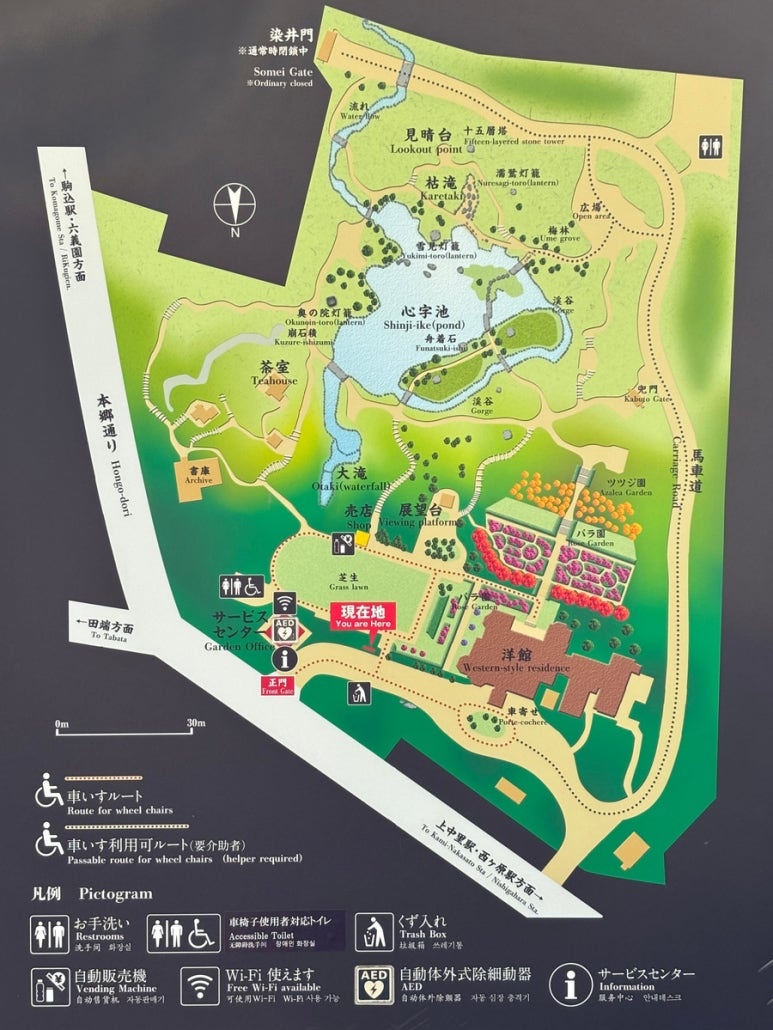
What stands out most about Kyu-Furukawa Gardens is how it makes full use of the differences in elevation across the site, creating a layered structure. A grand English-style stone Western house sits at the top of the hill, a terraced Western garden runs down the slope, and a Japanese garden rests at the very bottom.
The site was originally the residence of Meiji-era statesman Mutsu Munemitsu, but it took its current beautiful form after the Furukawa family inherited it.
Highlights of the Western House
- Josiah Conder, the father of modern Japanese architecture
The Western house was designed by British architect Josiah Conder (1852–1920), who also designed many famous Tokyo buildings such as the Nikolai Cathedral (Kanda) and the former Iwasaki Residence (Ueno). Known as the father of modern Western-style architecture in Japan, he was the first to introduce Western architecture to the country.
- An exotic scene framed by roses
When the giant roses come into full bloom on the terraced garden in front of the building in spring and autumn, the atmosphere feels almost like Europe.
- A red exterior that looks even better in the rain
Modeled on a classic English noble residence, the building’s exterior is finished with reddish andesite (Shin-Komatsu stone). When the walls get wet in the rain, the color deepens and softens, so even on overcast days it makes for great photos.
Western House Interior (Otani Museum) Tour & Tea Room Guide
The interior of the Western house is currently run as the Otani Museum. It operates separately from the garden admission (150 yen), but you can enjoy an elegant tea time at the old-style tea room (café) on the first floor.
| Tour Hours | 10:30–16:30 (last entry 16:00) |
| Tea Room (Café) | 12:00–16:30 (last order 16:00) |
| Closed | Every Monday (open if Monday is a public holiday, closed the following Tuesday instead) |
| Interior Admission (separate from garden) | Adults 500 yen / Junior high 250 yen / Free for elementary and younger ※ Senior or group discounts do not apply for the Western house. |
⚠️ Things to Note When Visiting the Western House
- Indoor photography is not allowed in order to protect the cultural property
- No air conditioning or heating
- Wheelchair users can only access the first floor
※ Be sure to contact the museum in advance by email (info@otanimuseum.or.jp) before visiting.
A Walk Through the Japanese Garden at Kyu-Furukawa Gardens
When you walk down the stone steps from the Western garden, the atmosphere changes completely, and a Japanese garden that feels like “Kyoto inside Tokyo” opens up.
This garden was designed by Jihei Ogawa (Ueji), a master gardener from Kyoto, and still keeps its original early-Taishō form. In recognition of its value, it was designated a national Place of Scenic Beauty in 2006.
Three Key Highlights to Look Out For
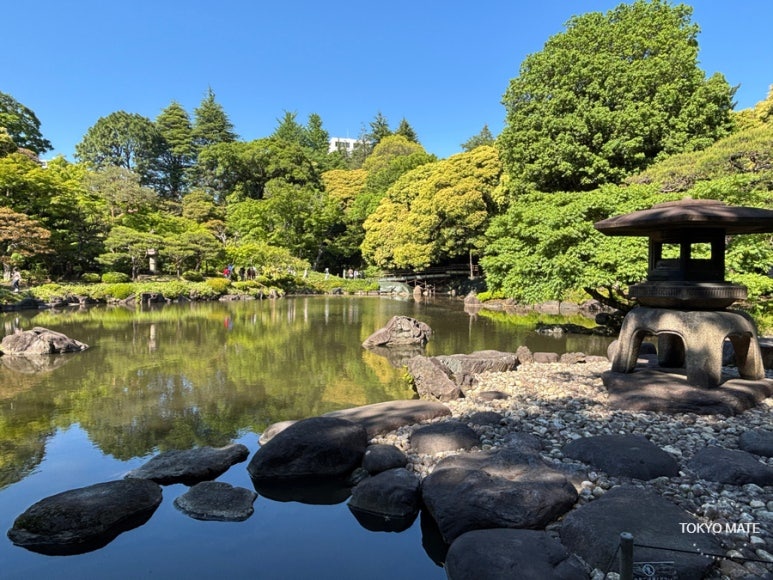
① Shinjiike Pond (心字池)
The central pond of the garden, designed in the shape of the kanji for “heart” (心).
If you look from the Funatsuki-ishi viewing stone, the stone bridge, the Yukimi lantern, and the artificial mountain all come into view at once.
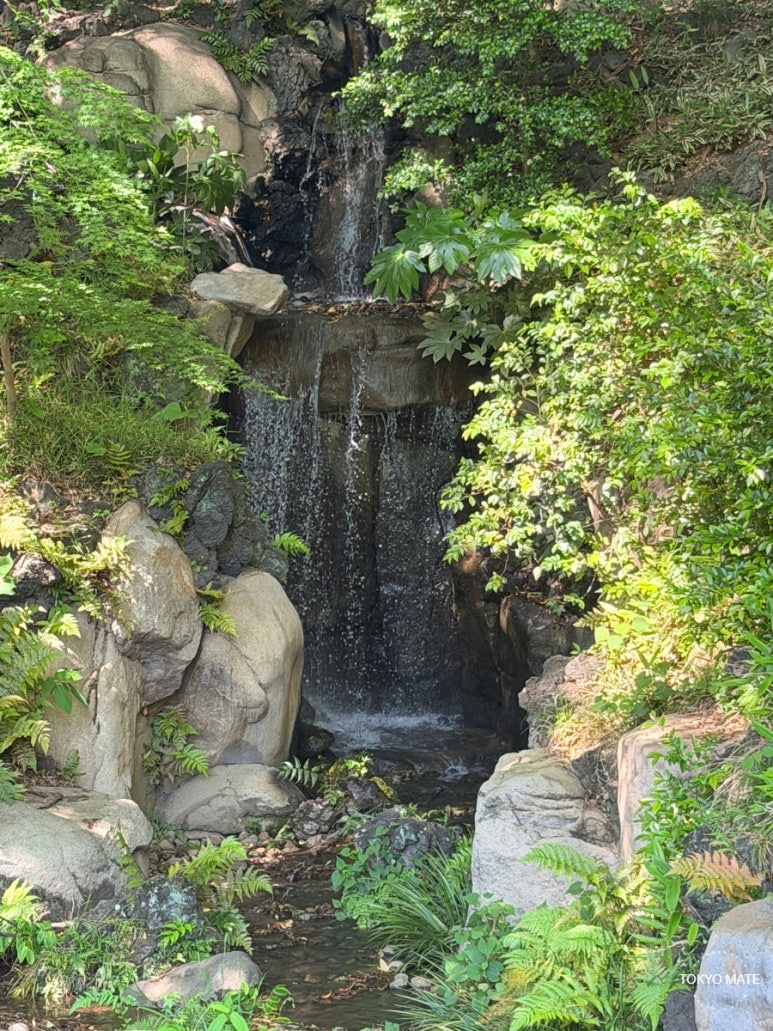
② Otaki Waterfall (大滝)
A waterfall about 10 m high — rare for central Tokyo.
Surrounded by thick woods, it feels like a deep valley in the mountains.
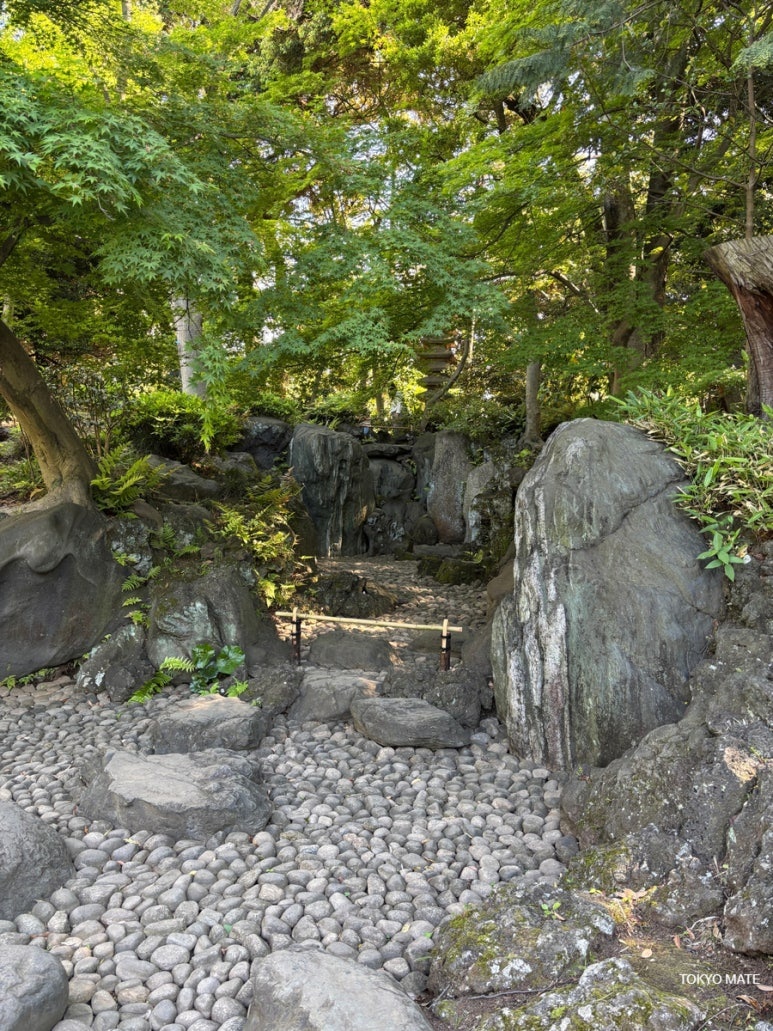
③ Karetaki (枯滝)
A karesansui (枯山水, dry landscape) space that depicts a waterfall using only stones and sand, without water.
It’s a traditional Japanese garden technique that symbolically expresses the flow of the garden and its water source.
💡 Viewing Tips
The biggest charm of Kyu-Furukawa Gardens lies in the sharp contrast between the Western house and the Japanese garden.
Up on the hill, a European-feeling Western building and rose garden unfold, and as you walk down the steps, a traditional Japanese garden takes over — it really feels like stepping into a different world.
The best way to enjoy this garden is to walk along this top-to-bottom route and take in the moment when the atmosphere changes.
The exotic feel of the Western house, the quiet of the Japanese garden, and the scenery the May–June roses create — Kyu-Furukawa Gardens makes for one of the most rounded spring walking courses in Tokyo.
📌 Half-day to one-day course recommendation
Starting at Kyu-Furukawa Gardens and moving from Komagome Station to Nippori Station, you can naturally connect this trip to a Yanaka Ginza / Nezu Shrine Yanesen walking course. Detailed routes and shop information will be covered in a separate post.
🧡 Tokyo Mate Travel Guides
👉 Yanaka Ginza Menchi Katsu & Yuyake Dandan Guide