Namba to Kyoto: Fares, Times & Which Line to Take
Tokyo Mate
How you get from Namba in Osaka to Kyoto depends on where in Kyoto you are going. The usual choices are JR for Kyoto Station, Hankyu for the Kawaramachi area, and Keihan for Gion-Shijo, Sanjo and Fushimi Inari. The transfer that suits you best also depends on where you are staying in Namba and where you are headed in Kyoto.
Comparing routes from Namba to Kyoto
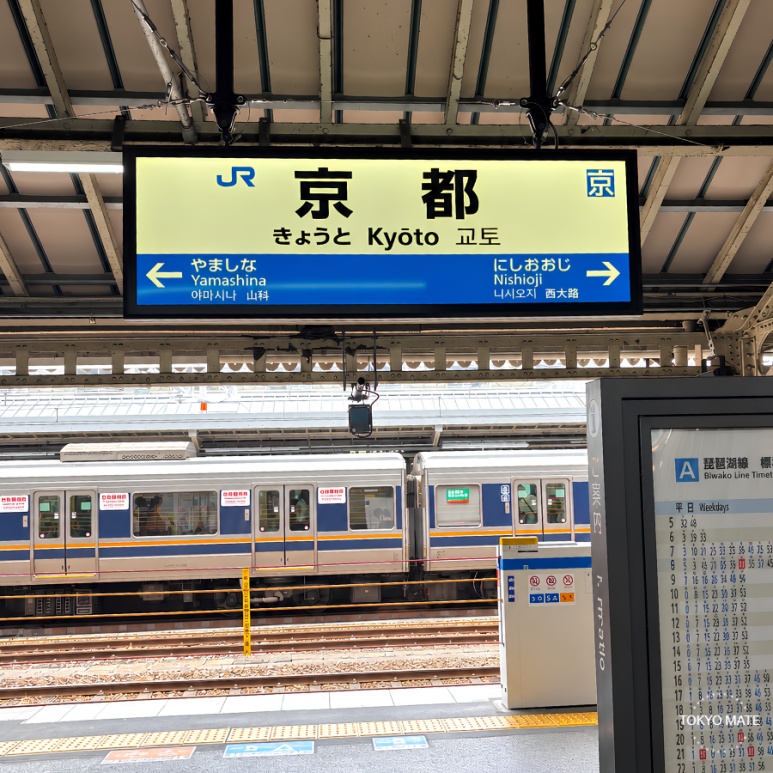
Going from Namba to Kyoto, it's easier to decide where you're heading first in Kyoto and pick the line after that. Kyoto Station, Kyoto-Kawaramachi, and Gion-Shijo, Sanjo and Fushimi Inari each have their own best line and transfer route.
| Destination | Line | Fare (time) |
|---|---|---|
| Kyoto Station 📍 View map | JR Kyoto Line special rapid | 820 yen (about 45 min) |
| Kyoto-Kawaramachi 📍 View map | Hankyu Kyoto Line | 650 yen (about 65 min) |
| Sanjo 📍 View map | Keihan Main Line | 680 yen (about 70 min) |
| Gion-Shijo 📍 View map | Keihan Main Line | 680 yen (about 65 min) |
| Fushimi Inari 📍 View map | Keihan Main Line | 670 yen (about 65 min) |
※ Checked September 2026. Fares are one-way adult fares from Namba, and times vary with how long you wait for trains and transfers.
📌 If Kyoto Station is where you're going, take JR; if you'll be around Kawaramachi, Hankyu; and if Gion-Shijo or Fushimi Inari comes first, Keihan. From Namba, rather than comparing fares alone, decide your first stop in Kyoto and then pick the line, and you'll cut out transfers and moving around the city that you don't need.
Getting to Kyoto Station by JR
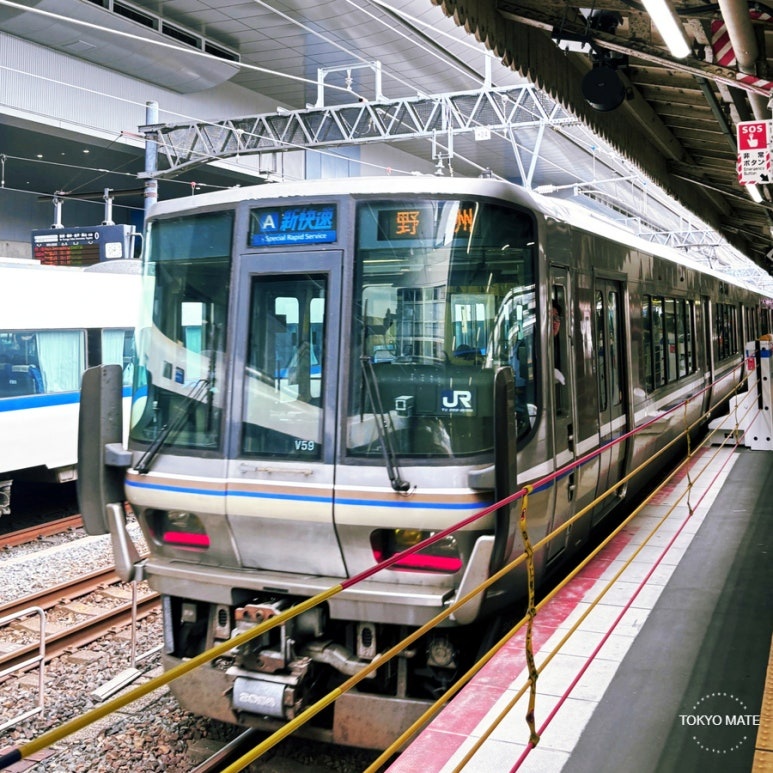
If Kyoto Station is your destination, it's easiest to go to Osaka Station and take a JR special rapid.
Take the Osaka Metro Midosuji Line from Namba Station to Umeda Station, then change to a special rapid at JR Osaka Station to reach Kyoto Station.
| Section | Line | Time (fare) |
|---|---|---|
| ① Namba Station → Umeda Station | Midosuji Line | About 9 min (240 yen) |
| ② Umeda Station → JR Osaka Station | On foot | About 7 min |
| ③ JR Osaka Station → JR Kyoto Station | JR Kyoto Line special rapid | About 29 min (580 yen) |
| Whole route | 1 transfer | About 45 min (820 yen) |
✅ Riding with an IC card
With an IC card such as ICOCA or Suica you can tap through the gates on both the Osaka Metro and JR, so there's no need to buy a separate ticket for each leg.
✅ Do you need the JR Kansai pass?
The pass most people search for as the JR Kansai pass, the 1-day JR Kansai Area Pass, is 2,800 yen.
If you're only making a round trip from Namba to Kyoto Station, you don't need to buy it. The regular fare from Namba to Kyoto Station is 820 yen one way, 1,640 yen return.
| JR Kansai Area Pass 1-day | Namba → JR Kyoto Station regular fare |
|---|---|
| 2,800 yen | 820 yen one way / 1,640 yen return |
※ The 1-day JR Kansai Area Pass does not include the Osaka Metro fare between Namba and Umeda.
If your plans include the HARUKA limited express from Kansai Airport on the same day plus more JR travel to other areas, it's worth comparing the pass against the regular fares.
Getting to Kyoto-Kawaramachi by Hankyu
If you're starting your day around Kawaramachi or Gion, the Hankyu Kyoto Line is the easy option.
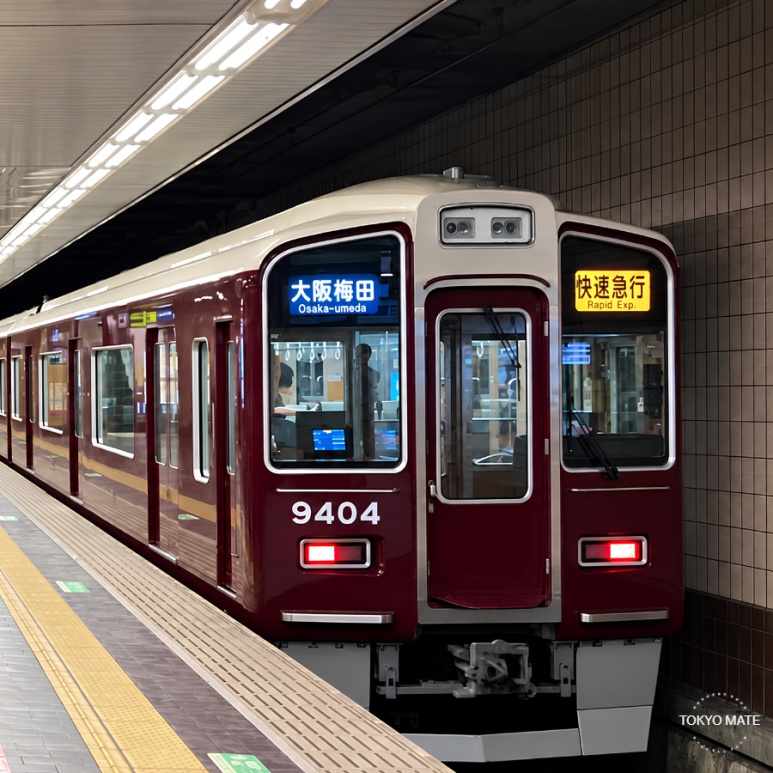
Take the Osaka Metro Midosuji Line from Namba Station to Umeda Station, then change to a Kyoto Line limited express at Hankyu Osaka-Umeda Station to reach Kyoto-Kawaramachi Station.
| Section | Line | Time (fare) |
|---|---|---|
| ① Namba Station → Umeda Station | Midosuji Line | About 9 min (240 yen) |
| ② Umeda Station → Hankyu Osaka-Umeda Station | On foot | About 6 min |
| ③ Osaka-Umeda Station → Kyoto-Kawaramachi Station | Hankyu Kyoto Line limited express | About 46 min (410 yen) |
| Whole route | 1 transfer | About 65 min (650 yen) |
✅ Riding with an IC card
With an IC card such as ICOCA or Suica you can tap through the gates on both the Osaka Metro and Hankyu, so there's no need to buy a separate ticket for each leg.
✅ Do you need the Hankyu pass?
The pass most people search for as the Hankyu pass, the Hankyu 1day Pass, is 1,300 yen.
If you're only making a round trip from Namba to Kyoto-Kawaramachi, you don't need to buy it. The regular fare from Namba to Kyoto-Kawaramachi is 650 yen one way, 1,300 yen return.
| Hankyu 1day Pass | Namba → Kyoto-Kawaramachi regular fare |
|---|---|
| 1,300 yen | 650 yen one way / 1,300 yen return |
※ The Hankyu 1day Pass does not include the Osaka Metro fare between Namba and Umeda.
For a simple round trip between Namba and Kyoto-Kawaramachi, the regular fares come to 480 yen less. If your plans include several more rides on Hankyu lines in Kyoto, such as out to Arashiyama, add up the regular fares for the legs you'll actually take and compare that with the pass price.
Getting to Gion-Shijo, Sanjo and Fushimi Inari by Keihan
If you're starting your day at Gion-Shijo, Sanjo or Fushimi Inari, the Keihan Main Line is the easy option.
Take the Osaka Metro Midosuji Line from Namba Station to Yodoyabashi Station, then change at Keihan Yodoyabashi Station to a train bound for Kyoto.
| Section | Line | Time (fare) |
|---|---|---|
| ① Namba Station → Yodoyabashi Station | Midosuji Line | About 6 min (190 yen) |
| ② Yodoyabashi Station → Keihan Yodoyabashi Station | On foot | About 3 min |
| ③ Yodoyabashi → Sanjo | Keihan Main Line limited express | About 54 min (490 yen) |
| ③ Yodoyabashi → Gion-Shijo | Keihan Main Line limited express | About 51 min (490 yen) |
| ③ Yodoyabashi → Fushimi Inari | Keihan Main Line | About 50 min (480 yen) |
| Whole route to Sanjo | 1 transfer | About 70 min (680 yen) |
| Whole route to Gion-Shijo | 1 transfer | About 65 min (680 yen) |
| Whole route to Fushimi Inari | 1-2 transfers | About 65 min (670 yen) |
✅ Telling limited express, semi-express and local trains apart
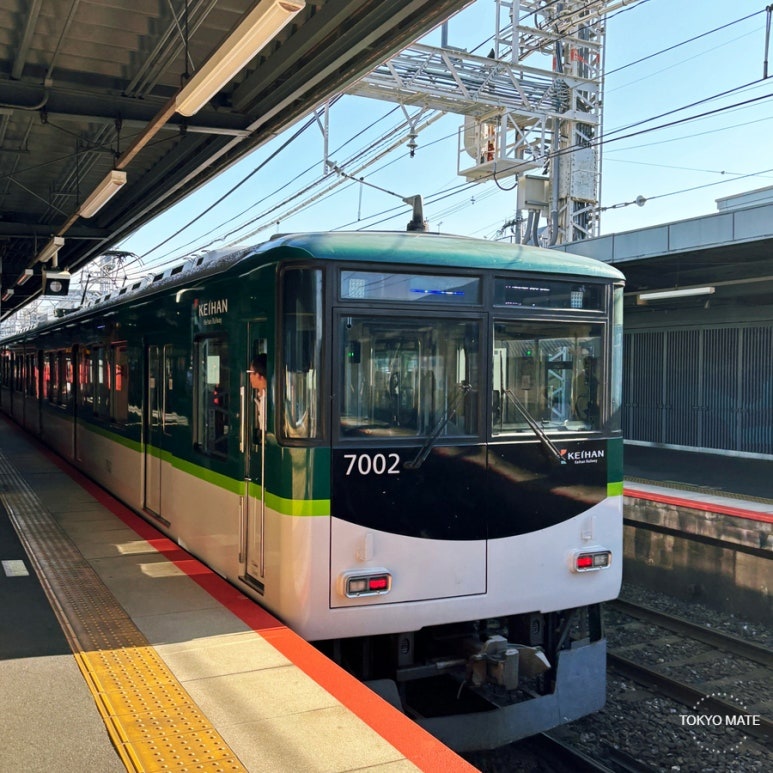
Gion-Shijo and Sanjo can be reached directly on a limited express.
Whether a train stops at Fushimi Inari depends on the type, so if you board one that doesn't stop there, change to a semi-express or local train at Tambabashi Station. Limited expresses do not stop at Fushimi Inari Station, so it matters that you check the destination display and change trains.
✅ Riding with an IC card
With an IC card such as ICOCA or Suica you can tap through the gates on both the Osaka Metro and Keihan, so you don't have to buy a separate ticket for each leg.
✅ Do you need the Keihan pass?
The pass most people search for as the Keihan pass, the 1-day Kyoto-Osaka Sightseeing Pass, is 1,650 yen.
If your plan is one round trip from Namba to Gion-Shijo or Sanjo, you don't have to buy it. The regular fare from Namba to Gion-Shijo is 680 yen one way, 1,360 yen return.
| Kyoto-Osaka Sightseeing Pass | Namba → Gion-Shijo regular fare |
|---|---|
| 1,650 yen | 680 yen one way / 1,360 yen return |
※ The Kyoto-Osaka Sightseeing Pass does not include the Osaka Metro fare between Namba and Yodoyabashi.
Even if you ride Keihan several times, going to Fushimi Inari, Gion-Shijo and Sanjo, the pass isn't automatically cheaper. Add up the regular fares for the legs you'll actually take and compare them with the 1,650 yen day pass.
Yodoyabashi → Fushimi Inari 480 yen
Fushimi Inari → Gion-Shijo 240 yen
Gion-Shijo → Sanjo 180 yen
Sanjo → Yodoyabashi 490 yen
Total 1,390 yen
※ On this route, even with several Keihan rides, the regular fares add up to 260 yen less than the day pass.
The Osaka Metro version of the Kyoto-Osaka Sightseeing Pass, which also covers the Osaka Metro, is 2,160 yen. For a simple round trip between Namba and Kyoto, regular fares come out cheaper here too.
Matching the route to your plans
For a round trip between Namba and Kyoto, you don't have to use the same trains both ways. Combining JR, Hankyu and Keihan according to where you start your day in Kyoto and where it ends can make for a more natural route.
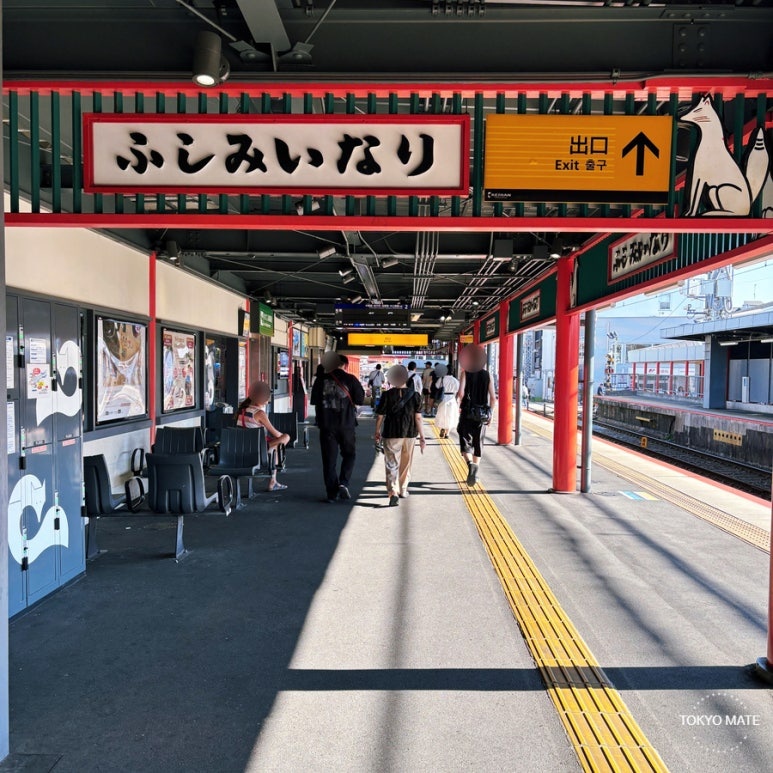
Say you're starting at Kyoto Station and then heading to Fushimi Inari Shrine: you can take JR on the way there and Keihan on the way back.
🚆 Going [JR Kyoto Line special rapid]
Namba → Umeda → JR Osaka Station → JR Kyoto Station
📍 Kyoto sightseeing
Kyoto Station → sightseeing → Fushimi Inari Shrine
🚃 Coming back [Keihan Main Line]
Fushimi Inari Station → Yodoyabashi → Namba
Travelling this way, you don't have to go back to Kyoto Station after you finish at Fushimi Inari Shrine. Switching lines to suit your route, JR if your first stop is Kyoto Station and Keihan coming back if your last stop is around Fushimi Inari, Gion-Shijo or Sanjo, cuts out travel you don't need.
📌 For getting from Namba to Kyoto, what matters is choosing by your first and last stops in Kyoto rather than fixing on one line for the round trip. The more your plans spread across Kyoto Station, Kawaramachi, Gion and Fushimi Inari, the more it is worth comparing combinations of different lines too.
Frequently asked questions (FAQ)
Q. Can I get from Namba to Kyoto without changing trains?
A. Starting from Namba Station, the JR, Hankyu and Keihan routes people generally use all need a transfer. For Kyoto Station you go via Umeda and JR Osaka Station and take JR; for Kyoto-Kawaramachi you change to Hankyu at Umeda; and for Gion-Shijo and Fushimi Inari you change to Keihan at Yodoyabashi.
Q. Going from Namba to Kyoto, is JR or Hankyu better?
A. If Kyoto Station is your first stop, JR; if you're travelling around Kawaramachi and Gion, Hankyu. If Fushimi Inari or Gion-Shijo is your first stop, it's worth comparing Keihan as well.
Q. Can I use different lines going and coming back?
A. You can. For example, take JR to Kyoto Station on the way there, and after sightseeing come back to Namba on Keihan from Fushimi Inari, combining lines to fit your route.
In Kyoto, which line suits you changes with how your day starts and ends. Leaving from Namba too, rather than looking for the single fastest way, set your route around your first stop and your last.
Here's to a day with a little less getting lost and a little more time in Kyoto.
If you're starting your Osaka trip at Kansai Airport, have a look at the comparison of the Rapi:t, the airport rapid and the limousine bus for getting to Namba Station as well.